Professional Pigeon Guano Removal in Blackburn
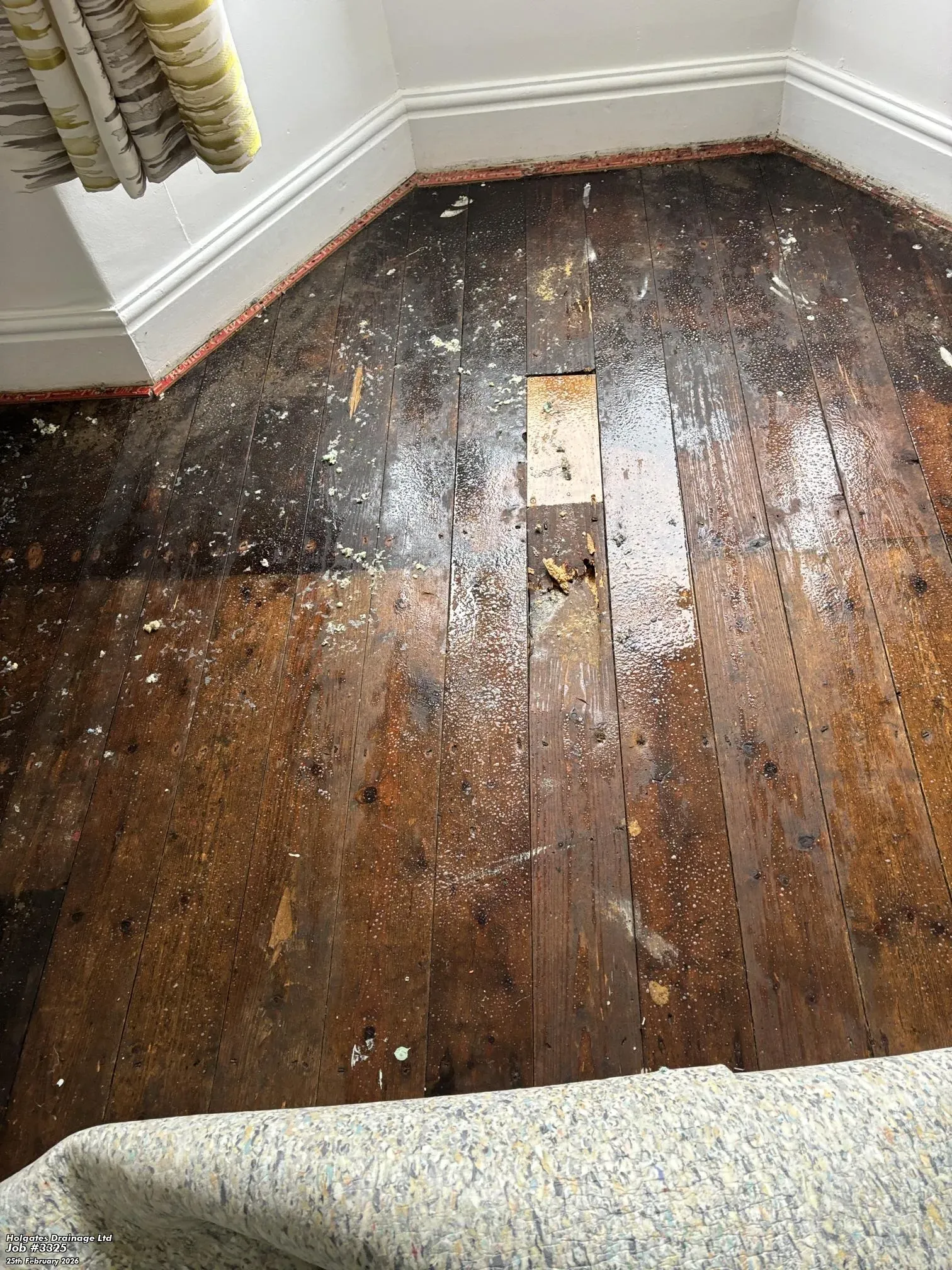
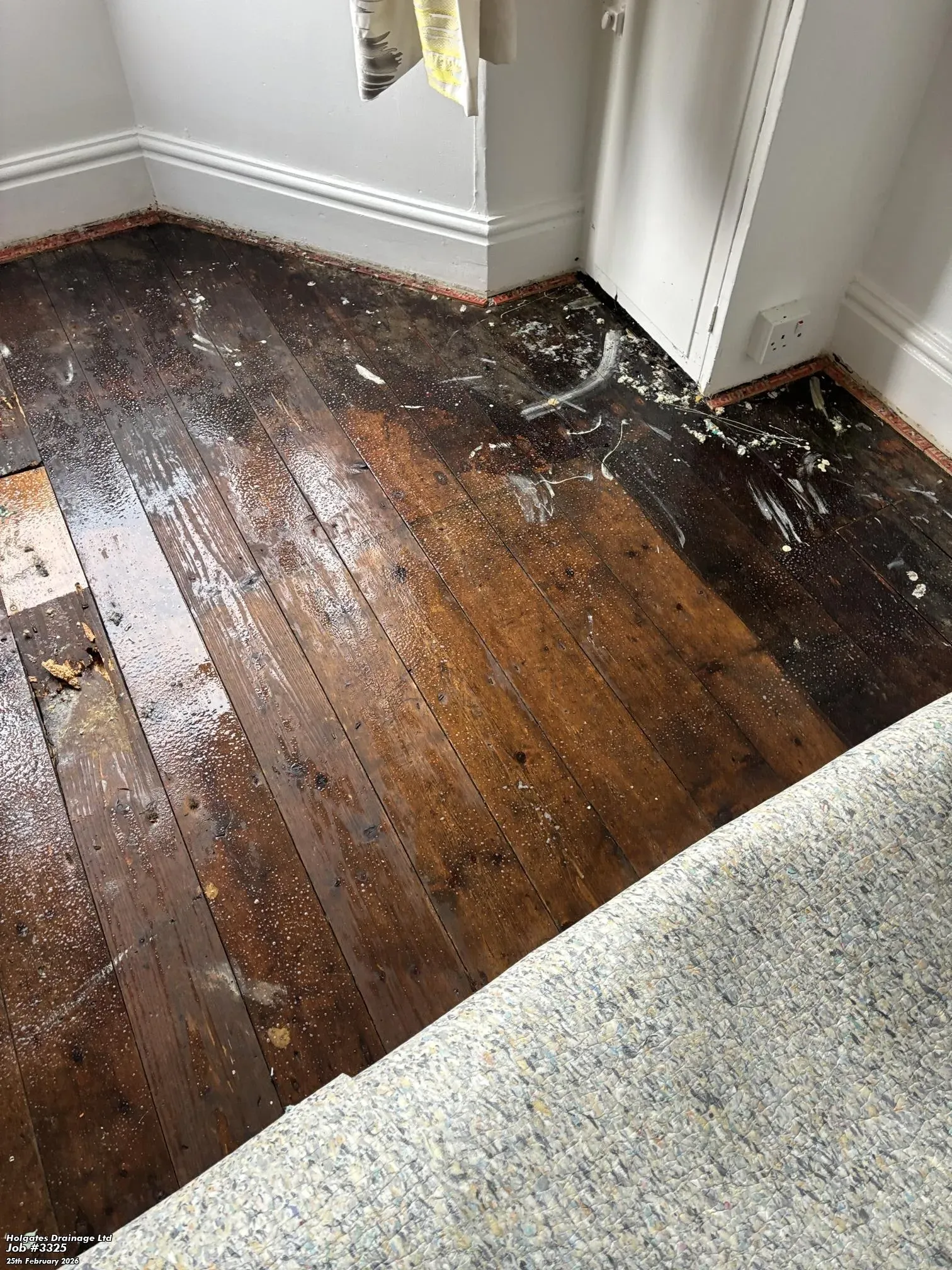
Heavy accumulations of pigeon droppings in domestic attics, commercial plant rooms, and underneath solar panels present severe structural and health hazards. Pigeon guano removal in Blackburn demands specialist decontamination rather than simple domestic clearing, because dry droppings crumble into microscopic airborne dust carrying dangerous pathogens like Chlamydia psittaci and fungal histoplasmosis spores. When left unattended, the uric acid within the mess corrodes structural steelwork, stains masonry, eats into roofing membranes, and creates an unbearable ammonia stench that penetrates into living spaces below.
Our technicians treat bird waste as a regulated biohazard from the moment we arrive on site. We begin by isolating the contaminated area, sealing internal ceiling hatches, ventilation grilles, or void access doors with plastic sheeting to prevent airborne spores from circulating through the building. Technicians work in full Category 3 personal protective equipment, including disposable Type 5/6 hooded coveralls, heavy nitrile gauntlets, and fitted half-mask respirators with certified P3 particulate filters.
Before touching the bulk waste, we apply an approved broad-spectrum biocidal wetting agent using low-pressure sprayers. This saturates the crusted droppings, pinning down spores and neutralising pathogenic bacteria at the surface before physical disturbance begins. We manually scrape bulk deposits from ceiling joists, masonry, plant beds, or roof timbers using non-sparking hand tools, transferring the material directly into industrial HEPA-filtered vacuum units that trap sub-micron particulates.
Once the bulk waste is removed, we scrub the underlying timber, stone, or metal substrates with a concentrated sanitising washdown to kill off remaining bacteria. We follow this immediately with an approved residual insecticide treatment to target secondary pests that thrive in abandoned roosts, specifically blood-feeding bird mites and dermestid carpet beetles. Every ounce of cleared waste is double-bagged into heavy-gauge UN-approved hazardous waste sacks and taken off-site under formal waste consignment documentation for legal disposal.