Are Pest Control Treatments Safe for Pets?
The short answer is yes—provided the job is carried out properly using professional hardware and strict exclusion rules. When we treat a house with dogs, cats, or young children, we never scatter loose poison or leave wet chemicals where paws can reach them.
Quick Safety Breakdown: What to Expect on the Day
- Rodent Treatments: Baits are locked inside heavy-duty, tamper-resistant boxes or hidden deep beneath floorboards and behind kitchen kickboards.
- Insect Sprays: Pets must be kept out of treated rooms while the liquid is wet. Drying usually takes 2 to 4 hours with the windows cracked open.
- Fish, Birds & Reptiles: Tanks and cages must be covered with a damp towel, and air pumps switched off during any indoor spray treatment.
- Physical Proofing First: Sealing entry holes with steel mesh and fitting drain blockers stops pests permanently without relying on chemicals.
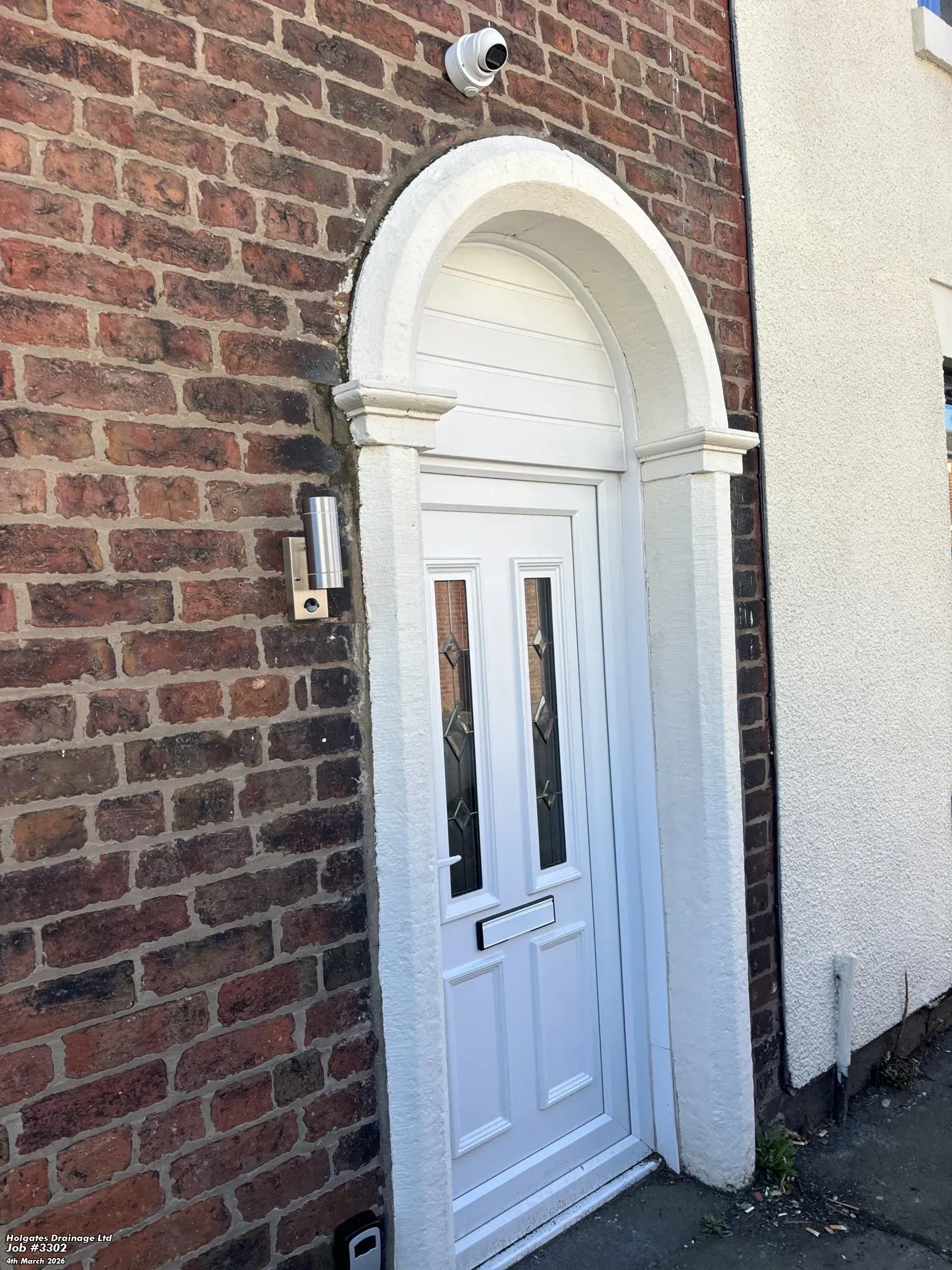
We treat family homes across Lancashire every day, adapting our methods to keep dogs, cats, and inquisitive children completely clear of active treatments.
How We Keep Dogs and Cats Safe During Rat & Mouse Control
When homeowners call us about scratching noises under the floorboards or droppings in the pantry, their first worry is almost always the family dog or cat. Over-the-counter loose grain baits bought from hardware shops are a major hazard in pet households because rodents easily kick the grains out of open trays onto kitchen floors.
As CPCA-accredited technicians with over 155 years of combined trade experience, we never use loose grain inside living spaces. Instead, we work strictly to Health and Safety Executive (HSE) rodenticide standards and the Campaign for Responsible Rodenticide Use (CRRU) Think Wildlife code.
1. Tamper-Resistant, Lockable Bait Stations
Any rodenticide or snap trap used in an accessible area is housed inside a heavy-duty polypropylene or metal box that can only be opened with a bespoke technician's key. Inside the box, internal baffles stop a cat's paw or a dog's nose from reaching the bait chamber. Outside in gardens, we anchor these boxes directly to masonry walls or concrete slabs so a heavy dog cannot pick them up and chew them.
2. Secured Wire-Fixed Blocks & Structural Voids
Inside the bait box, we use solid wax or pasta bait blocks threaded onto a steel rod. This stops rats from dragging a block out of the box and dropping it on your lawn or carpet. Where possible, we avoid putting boxes in rooms altogether—instead, we lift floor hatches, unclip kitchen plinths (kickboards), and place treatments inside enclosed structural voids where pets have zero access.
3. Preventing Secondary Poisoning & Carcass Searches
Clients with hunting terriers or outdoor cats often ask what happens if their pet catches a poisoned mouse or rat. In heavily used pet areas, we frequently use non-toxic tracking dust to trace rodent runs, followed by high-impact break-back traps locked inside security tunnels—meaning zero chemical biocide is used at all. On follow-up visits, we check under floorboards and in loft insulation to remove any dead rodents and collect all leftover bait safely off-site.
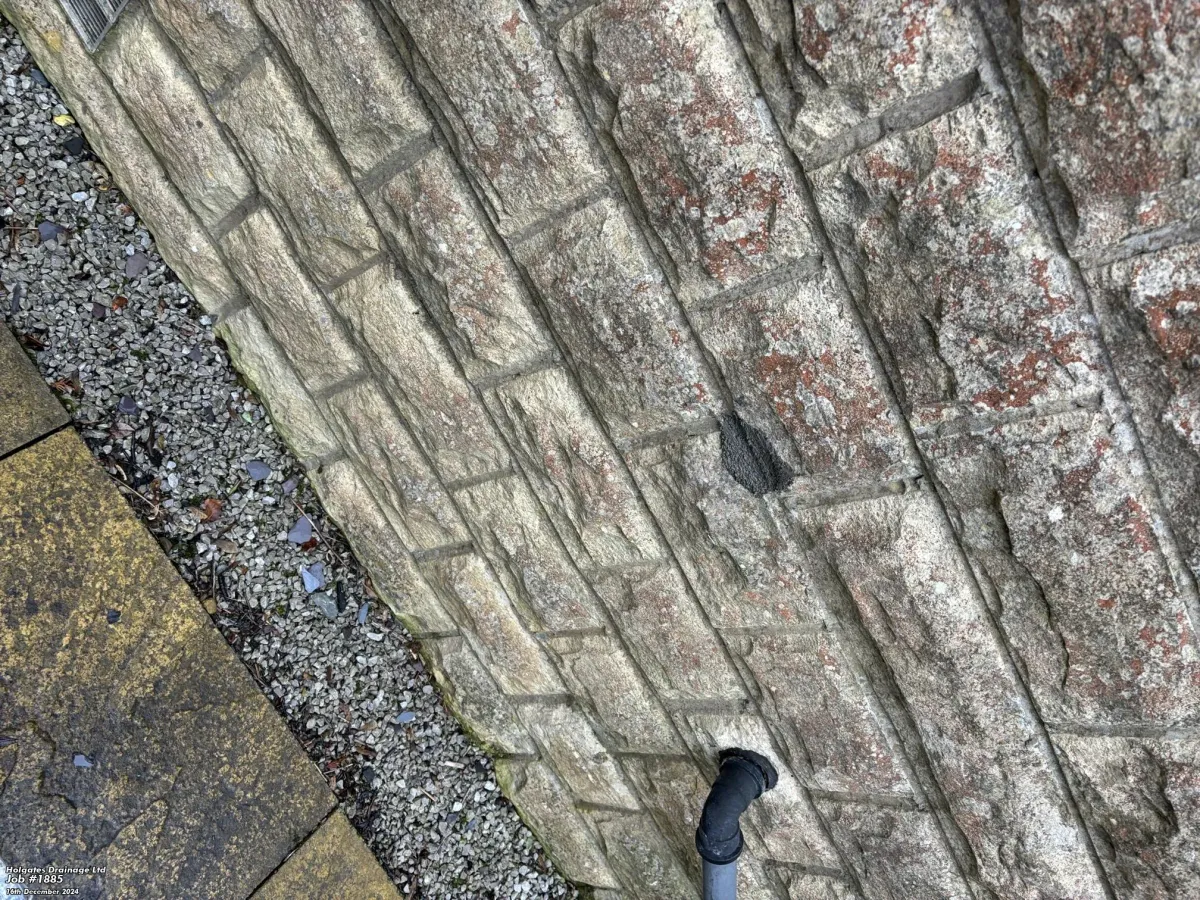
Proofing Means Less Poison
The safest pest treatment for any pet owner is physical exclusion. In many older stone cottages across the Ribble Valley or terraced properties with shared sub-floor voids, rats and mice get in through unsealed pipe collars, broken airbricks, or faulty clay drains.
By packing external gaps with stainless steel wire mesh, fitting downpipe baffles, or working with our drainage partners at Drain Medics and Liverpool One Drainage to fit stainless steel rat flaps inside inspection chambers, we stop rodents entering your home without needing long-term baiting.
Worried About a Pet Emergency?
Every time we apply a rodenticide or insecticide, we leave a detailed treatment report in your hand. This sheet lists the exact product name, active ingredient, and batch registration number—giving you and your vet complete clarity if an accident ever occurred.
Insect Sprays, Flea Treatments & Drying Times
Treating fleas, bed bugs, cockroaches, or carpet beetles requires professional liquid biocides and Insect Growth Regulators (IGRs). While these HSE-approved formulations are designed for domestic bedrooms and lounges, strict preparation and drying rules apply when you have animals in the house.
The 2 to 4 Hour Drying Rule
When we treat carpets or skirting boards for fleas or beetles, the fine mist is hazardous to pets while wet because they can lick it off their paws or fur. Dogs, cats, and children must stay out of treated rooms until every surface is bone dry—typically 2 to 4 hours depending on room temperature and ventilation. Once dry, the microscopic residue binds to the carpet fibres and will not transfer onto paws.
Fish, Reptiles & Aviary Birds
Synthetic pyrethroid sprays and natural pyrethrins are highly toxic to cold-blooded animals and aquatic life. Before we spray any room containing an aquarium, vivarium, or birdcage, you must either move the enclosure to an untreated part of the house or unplug the air pump and seal the tank completely under heavy damp towels until the mist has settled and dried.
Wasp Nest Removal & Dogs
When we inject insecticidal dust into a wasp nest in a soffit, cavity wall, or garden shed, returning wasps become agitated for the first couple of hours and will drop onto the lawn or patio as they die. Even dying wasps can sting a dog that tries to snap at them or eat them. Keep dogs indoors during the treatment and sweep up any dead wasps on hard paving after 24 hours.
Pet Owner Preparation Checklist Before Our Technician Arrives
Save time on the day of your visitBefore an Indoor Flea or Insect Spray:
- Pick up all chew toys, water bowls, food dishes, and litter trays from the floors being treated.
- Wash pet bedding on a hot 60°C cycle, or bag it up ready for disposal if heavily infested.
- Treat your dog or cat with a vet-prescribed spot-on or tablet flea treatment (our spray treats the building, not the animal).
- Vacuum all carpets thoroughly right before we arrive, including under sofas and along skirting edges, then empty the vacuum cylinder into your outside bin.
Before a Rodent Inspection or Proofing Visit:
- Keep dogs shut in a secure room while our technician brings ladders, toolboxes, and loft rakes through the house.
- Let us know straight away if you have already put down shop-bought rat poison so we can safely clear it up.
- Stop putting out loose birdseed on garden tables or open ground, as this draws brown rats straight into pet-accessible areas.
- Store dry dog kibble or cat biscuits in sealed hard plastic tubs rather than paper sacks in utility rooms or garages.
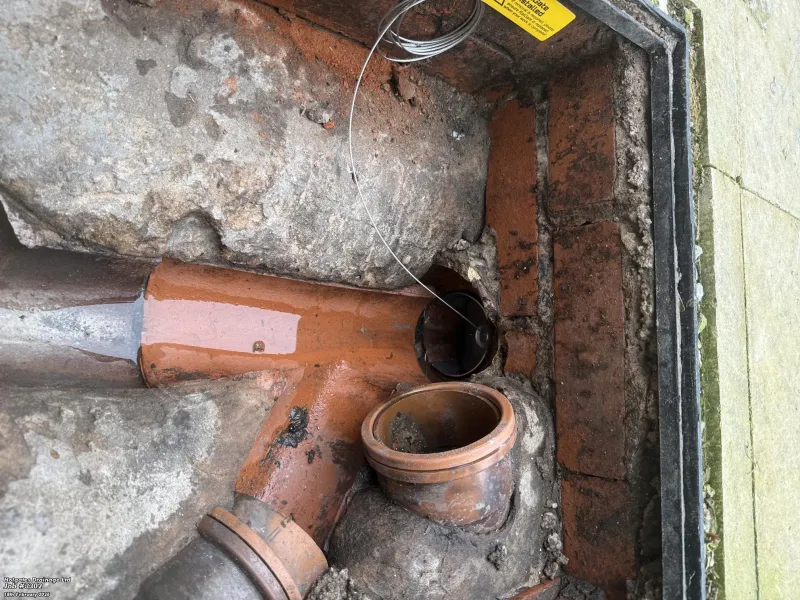
Stainless steel rat valve fitted in a drain chamber—100% poison-free protection.
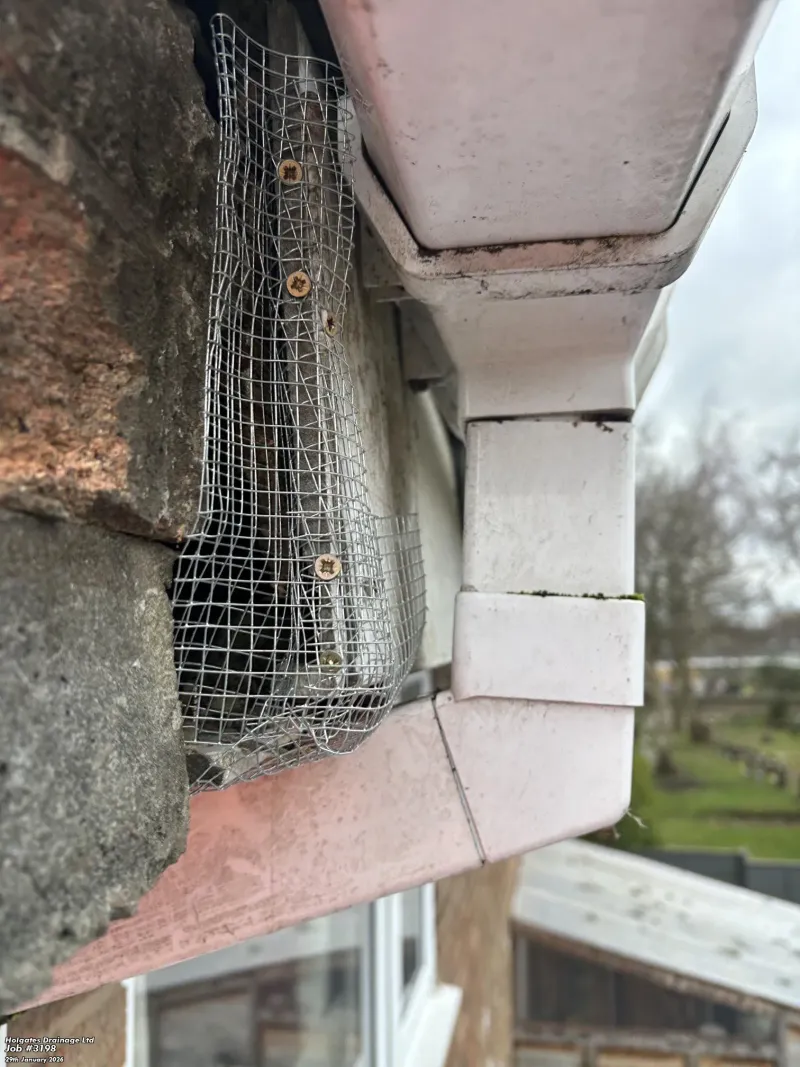
Galvanised mesh sealing roofline gaps against squirrels and rats.
Tidy Workmanship & Non-Chemical Alternatives
Because we are an independent local team based in Ramsgreave rather than a national call-centre franchise, we take our time on site to assess how your household works. Before we open a single tub of bait or mix a sprayer, we inspect the structure with torches and endoscope cameras to see if we can solve the issue mechanically.
When we work inside your property, we wear protective overshoes, put down dust sheets when lifting floorboards or accessing lofts, and use HEPA-filtered vacuums when clearing insect debris or bird guano. Whether we are dealing with rats getting into a kitchen extension, squirrels chewing loft timbers, or fleas in a rental property, our priority is eliminating the pest while keeping your family and animals completely out of harm's way.
Related Services & Guides
Practical pest advice and professional eradication services across Blackburn and Lancashire.
Professional Pest Control in Blackburn
Expert pest control in Blackburn and the Ribble Valley. 24/7 response for rats, insects, and birds from our local Ramsgreave base. Contact Pest Medic today.
How Much Does Pest Control Cost in the UK?
Find out what affects UK pest control prices, from council call-outs to private treatments, follow-up visits, and permanent entry-point proofing.
How Do Rats Get Into Houses Through Drains?
Find out how brown rats use broken clay pipes and missing drain bungs to enter cavity walls, and when a CCTV survey and rat blocker will stop them.
How to Tell if You Have Rats or Mice Under Floorboards
Hearing noises beneath the floor? Learn how to tell rats and mice apart using practical signs like dropping size, scratching sounds, and greasy rub marks.
Why Do Shop-Bought Mouse Traps and Poisons Fail?
Find out why DIY mouse traps and hardware-store poisons rarely clear a terrace house infestation, and why sealing 5mm entry gaps is the real fix.
What Are the UK Laws on Trapping Grey Squirrels?
Learn the UK legal rules on trapping invasive grey squirrels, why live release is illegal, and how to check for protected bats before starting loft work.
How Much Damage Can Squirrels Do in a Loft?
Learn what damage grey squirrels cause inside roof spaces, from chewed electrical wiring and torn loft insulation to gnawed roof timbers and soffits.
Why Should You Never Block Up a Wasp Nest Hole?
Blocking an active wasp hole with silicone or foam forces angry wasps to chew through internal plasterboard. Learn how professional lance treatments work.
How Do You Prepare a Room for Bed Bug Treatment?
Learn how to prepare your rooms before a professional bed bug visit, including how to bag laundry safely and clear furniture without spreading eggs.
How to Spot Cockroaches Behind Kitchen Appliances
Learn how to check behind fridges, dishwashers, and kickboards for cockroach droppings, egg cases, and musty smells in your home or commercial kitchen.
Why Am I Still Seeing Fleas After a Room Spray?
Learn why dormant flea cocoons hatch days after a professional spray, how long full eradication takes, and why you must wait to vacuum.
Bird Spikes vs Tensioned Wire: Which Works Best?
Compare stainless steel bird spikes and tensioned wire systems. Learn how bird species, roosting pressure, and ledge styles determine the right deterrent.
Does Bird Proofing Void Your Solar Panel Warranty?
Find out how professional non-penetrating solar clips secure bird mesh without drilling into your panels, keeping your manufacturer warranty fully valid.
Can Pigeons Under Solar Panels Cause Bird Mites Inside?
Learn how pigeons nesting under solar panels bring biting bird mites into upstairs bedrooms, and why nest removal and sanitisation must happen with meshing.
Why Is Cleaning Dried Pigeon Droppings Yourself Risky?
Learn why sweeping dry pigeon guano in lofts or on balconies releases harmful airborne spores, and how biocide damping down keeps your home safe.
Do Small Businesses Need a Pest Control Contract?
Weigh up one-off emergency call-outs against routine pest control contracts. Learn how regular checks catch drain defects and insects before stock is ruined.
How Many Visits Does Mouse Control Take?
Find out why clearing a mouse infestation usually takes 2 to 3 visits, from checking tamper-resistant bait boxes to sealing 5mm entry gaps with copper mesh.
When Does Wasp Season Start and End in the UK?
Find out when UK wasp season starts and finishes, why late-summer wasps turn aggressive, and why old paper nests are never reused.
Do Bed Bugs Mean Throwing Your Mattress Away?
Learn why dumping a mattress with bed bugs often spreads eggs through your home, and how professional heat and seam treatments save your furniture.
German vs Oriental Cockroaches: What Is the Difference?
Learn how to tell German and Oriental cockroaches apart, from warm appliance motors to damp cellar drains, and why species matters for eradication.
How Do Pest Technicians Work Discreetly in Shops?
See how commercial pest technicians manage inspections, hidden bait stations, and out-of-hours treatments in shops and restaurants without alarming customers.
What Happens if a House Survey Finds Woodworm?
Found woodworm on a house survey? Learn how we check for active beetles, test timber moisture, and treat loft rafters or joists to satisfy lenders.
Why Do Silverfish Gather in Bathrooms and Kitchens?
Find out why damp plaster, leaky pipes, and high humidity attract silverfish and beetles, plus practical steps to seal gaps and clear infestations.
Need Pet-Safe Pest Control in Blackburn or Lancashire?
Speak directly to an experienced local technician today. We will talk you through the exact products we use, how we proof entry points, and how we protect your dogs, cats, and family during the job. Free, no-obligation quotes upfront and 24/7 emergency response available.