What Are the UK Laws on Trapping Grey Squirrels?
If you have grey squirrels tearing up your loft insulation or chewing through ceiling cables, your first instinct might be to buy a live cage trap, catch them, and drive them down to the local woods to let them go. In the UK, doing that is a criminal offence. Here is the plain-English truth about what the law allows, how humane trapping works, and what must happen inside your roof space before any traps are set.
The Short Answer: What You Need to Know Immediately
- • You cannot release a trapped grey squirrel: Under the Wildlife and Countryside Act 1981 and the Invasive Alien Species Order 2019, it is strictly illegal to release a caught grey squirrel back into the wild—even in your own back garden.
- • If you catch one live, you must dispatch it humanely: Anyone who sets a live-capture cage trap is legally responsible for humanely destroying the grey squirrel once it is caught. Leaving it in the cage to starve, drowning it, or letting it go are all criminal offences.
- • Only approved spring traps can be used: Lethal spring traps must be legally approved models set inside sturdy tunnels so pets, birds, and non-target animals cannot touch them.
- • Protected bats come first: Before setting traps or blocking roof gaps, the loft must be checked for bat roosts. Disturbing bats or blocking their access points carries severe legal penalties.
Why Is It Illegal to Release a Grey Squirrel?
We speak to homeowners every week who have bought a wire cage trap online after hearing loud scratching and rolling noises above their bedroom ceiling at dawn. They catch the squirrel, put a towel over the cage, and then ring us asking where they are allowed to let it go. Unfortunately, the law leaves zero wiggle room here.
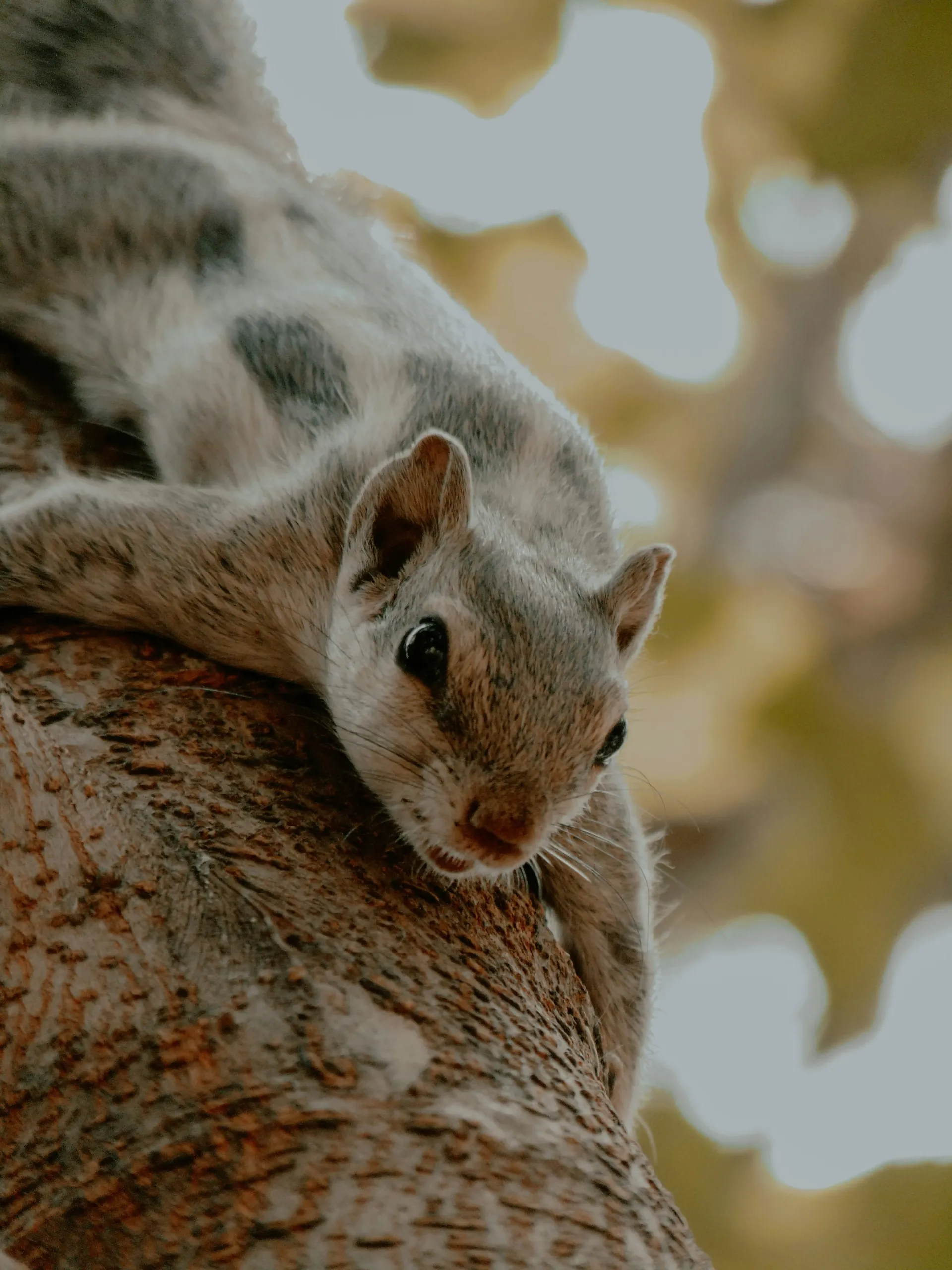
Grey squirrels (Sciurus carolinensis) are not native to the UK. They were introduced from North America in the 19th century and are classified as an invasive non-native species. They carry squirrelpox virus—which is harmless to greys but fatal to our native red squirrels—and they strip the bark off native broadleaf trees across Lancashire woodland.
Because of the damage they cause, Schedule 9 of the Wildlife and Countryside Act 1981 and the Invasive Alien Species (Enforcement and Permitting) Order 2019 make it an offence to release a grey squirrel, or allow one to escape into the wild, once it is under your control. The moment that cage door snaps shut in your loft, the squirrel is legally in your custody. You cannot let it out in the garden, and you cannot drive it out to country lanes around the Ribble Valley or Clitheroe to release it.
The Reality of DIY Live Cage Trapping
Unless you have the equipment, training, and stomach to dispatch a frantic, aggressive grey squirrel quickly and humanely without causing unnecessary suffering under the Animal Welfare Act 2006, do not set a live cage trap.
Drowning a squirrel in a water butt is illegal and prosecutable as animal cruelty. Leaving a trapped animal in a hot or freezing roof space without daily checks is also an offence.
Rules on Spring Traps and Humane Dispatch
When our technicians clear a squirrel issue from a domestic loft, we rarely use live cages unless there is a very specific reason to do so. Instead, we use professional, heavy-duty mechanical spring traps (such as Fenn Mk4 orMk6, BMI Magnum, or Kania traps) that are specifically tested and listed under the Spring Traps Approval Orders.
Standard rat snap traps bought from a hardware shop are not strong enough for grey squirrels. Using an underpowered rat trap on an adult squirrel will likely maim the animal rather than kill it cleanly, leaving you with an injured, distressed squirrel thrashing around in your loft insulation—and potentially putting you in breach of welfare laws.
On the job, we set approved high-powered spring traps inside locked or baffled wooden and metal tunnels, or secure them directly along the timber wall plates where squirrels run. We wear protective overshoes in your home, lay dust sheets below the loft hatch, pull back the fibreglass insulation carefully with a rake, and anchor the trap boxes so they cannot be dragged if knocked. All carcasses are removed and disposed of legally off-site.
Why Are Poisons Rarely Used for Squirrels in Houses?
Customers often ask why we cannot just put down bait trays like we sometimes do for mice. First, indoor anticoagulant rodenticides approved for grey squirrels are heavily restricted under UK Health and Safety Executive (HSE) and CRRU (Campaign for Responsible Rodenticide Use) rules to protect non-target wildlife like owls and kestrels from secondary poisoning.
Second, from a practical tradesman's perspective, poisoning squirrels in a domestic roof space is a terrible idea. A squirrel weighs up to 600 grams—much heavier than a house mouse. If a squirrel eats poison and dies inside an inaccessible dormer void, wall cavity, or beneath tongue-and-groove loft boarding, the smell of decay will permeate your bedrooms for weeks, followed by a heavy blowfly infestation. Physical trapping means we account for every single animal and take it away in our van.
Checking for Protected Bats Before Loft Work
Before we set a single trap or screw a piece of galvanised steel mesh over a rotten fascia board, we have to inspect the loft with high-powered torches for bats. In the UK, all bat species and their roosts are strictly protected under the Wildlife and Countryside Act 1981 and the Conservation of Habitats and Species Regulations 2017.
It is an offence to intentionally or recklessly kill, injure, or disturb a bat, or to block access to its roost—even if the bats are not currently inside the roof at that time of year. We see bats regularly across Lancashire, particularly in rural stone cottages, barn conversions, and older properties with slate roofs.
During our initial survey, we check the ridge beams, mortise joints, and felt linings for clusters of bats or bat droppings. Bat droppings look similar to mouse droppings at a glance, but when rubbed between gloved fingers, bat droppings crumble into a fine, shiny dust made of insect wing cases, whereas rodent droppings stay hard. If we find an active bat roost, we have to follow Natural England guidance before any invasive pest work or roofline sealing takes place.
Trapping Without Proofing Is Only Half a Job
Grey squirrels are territorial. When one family is removed from a warm loft, neighbouring squirrels smelling the scent trails along your guttering and tree branches will move into the empty drey within weeks.
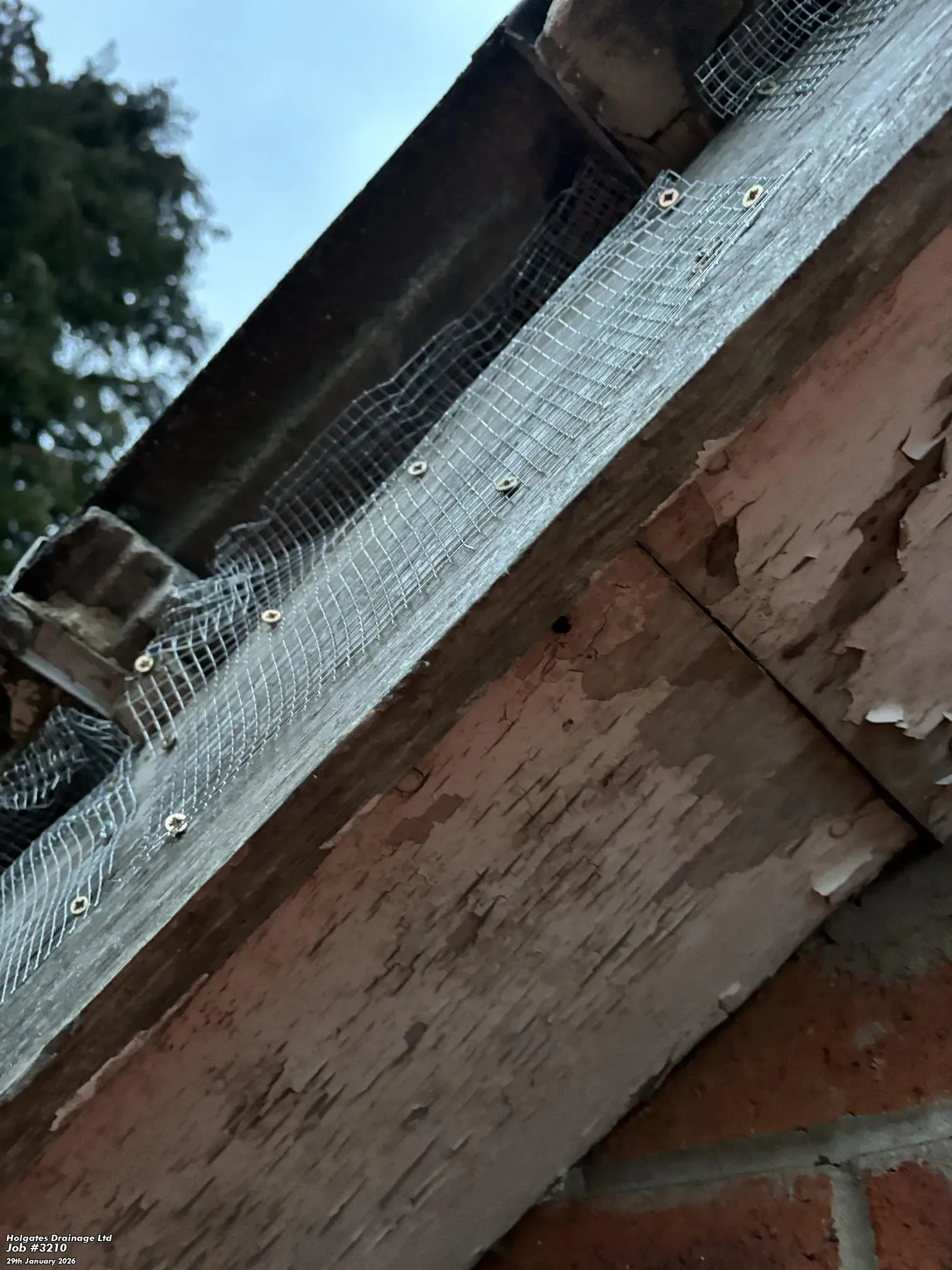
Once we have trapped the culprits inside and confirmed the roof is clear, we get the ladders up and seal the chewed gaps along your soffits, fascias, and eaves using heavy-gauge galvanised wire mesh so the problem stays sorted.
What to Expect When You Call Us In
A standard squirrel eradication and proofing job usually takes two to three visits over the course of a week to ten days. On visit one, we inspect the loft for chewed 13A electrical cables, stripped insulation, dreys, and bat activity, locate the external entry point from the ground or off our ladders, and set baited spring traps inside the roof space.
On follow-up visits, we check the traps, remove any caught squirrels, and monitor for fresh activity. Once the traps stay untouched and we are certain no squirrels are left inside (especially checking for dependent young during spring and summer litters), we lock down the entry points with metal mesh or install downpipe climbing baffles so nothing can get back in.
Related Services & Guides
Practical pest advice and professional removal services from our local team.
Grey Squirrel Removal & Loft Proofing in Blackburn
Professional grey squirrel removal and loft proofing in Blackburn. Stop ceiling noise, gnawed wiring and roof damage with expert trapping and entry sealing.
How Much Does Pest Control Cost in the UK?
Find out what affects UK pest control prices, from council call-outs to private treatments, follow-up visits, and permanent entry-point proofing.
Are Pest Control Treatments Safe for Pets?
Find out how professional pest technicians protect dogs, cats, and children using lockable bait boxes, HSE-approved sprays, and safe drying times.
How Do Rats Get Into Houses Through Drains?
Find out how brown rats use broken clay pipes and missing drain bungs to enter cavity walls, and when a CCTV survey and rat blocker will stop them.
How to Tell if You Have Rats or Mice Under Floorboards
Hearing noises beneath the floor? Learn how to tell rats and mice apart using practical signs like dropping size, scratching sounds, and greasy rub marks.
Why Do Shop-Bought Mouse Traps and Poisons Fail?
Find out why DIY mouse traps and hardware-store poisons rarely clear a terrace house infestation, and why sealing 5mm entry gaps is the real fix.
How Much Damage Can Squirrels Do in a Loft?
Learn what damage grey squirrels cause inside roof spaces, from chewed electrical wiring and torn loft insulation to gnawed roof timbers and soffits.
Why Should You Never Block Up a Wasp Nest Hole?
Blocking an active wasp hole with silicone or foam forces angry wasps to chew through internal plasterboard. Learn how professional lance treatments work.
How Do You Prepare a Room for Bed Bug Treatment?
Learn how to prepare your rooms before a professional bed bug visit, including how to bag laundry safely and clear furniture without spreading eggs.
How to Spot Cockroaches Behind Kitchen Appliances
Learn how to check behind fridges, dishwashers, and kickboards for cockroach droppings, egg cases, and musty smells in your home or commercial kitchen.
Why Am I Still Seeing Fleas After a Room Spray?
Learn why dormant flea cocoons hatch days after a professional spray, how long full eradication takes, and why you must wait to vacuum.
Bird Spikes vs Tensioned Wire: Which Works Best?
Compare stainless steel bird spikes and tensioned wire systems. Learn how bird species, roosting pressure, and ledge styles determine the right deterrent.
Does Bird Proofing Void Your Solar Panel Warranty?
Find out how professional non-penetrating solar clips secure bird mesh without drilling into your panels, keeping your manufacturer warranty fully valid.
Can Pigeons Under Solar Panels Cause Bird Mites Inside?
Learn how pigeons nesting under solar panels bring biting bird mites into upstairs bedrooms, and why nest removal and sanitisation must happen with meshing.
Why Is Cleaning Dried Pigeon Droppings Yourself Risky?
Learn why sweeping dry pigeon guano in lofts or on balconies releases harmful airborne spores, and how biocide damping down keeps your home safe.
Do Small Businesses Need a Pest Control Contract?
Weigh up one-off emergency call-outs against routine pest control contracts. Learn how regular checks catch drain defects and insects before stock is ruined.
How Many Visits Does Mouse Control Take?
Find out why clearing a mouse infestation usually takes 2 to 3 visits, from checking tamper-resistant bait boxes to sealing 5mm entry gaps with copper mesh.
When Does Wasp Season Start and End in the UK?
Find out when UK wasp season starts and finishes, why late-summer wasps turn aggressive, and why old paper nests are never reused.
Do Bed Bugs Mean Throwing Your Mattress Away?
Learn why dumping a mattress with bed bugs often spreads eggs through your home, and how professional heat and seam treatments save your furniture.
German vs Oriental Cockroaches: What Is the Difference?
Learn how to tell German and Oriental cockroaches apart, from warm appliance motors to damp cellar drains, and why species matters for eradication.
How Do Pest Technicians Work Discreetly in Shops?
See how commercial pest technicians manage inspections, hidden bait stations, and out-of-hours treatments in shops and restaurants without alarming customers.
What Happens if a House Survey Finds Woodworm?
Found woodworm on a house survey? Learn how we check for active beetles, test timber moisture, and treat loft rafters or joists to satisfy lenders.
Why Do Silverfish Gather in Bathrooms and Kitchens?
Find out why damp plaster, leaky pipes, and high humidity attract silverfish and beetles, plus practical steps to seal gaps and clear infestations.
Sort Out Your Loft Squirrel Problem Safely & Legally
Speak directly to an experienced local technician at Pest Medic. We provide honest diagnoses, legal trapping, and lasting roofline proofing across Blackburn and a 20-mile radius of Lancashire.