How to Tell if You Have Rats or Mice Under Floorboards
Hearing something scuttling right beneath your feet when the house goes quiet is unsettling. Before you spend money on hardware store traps that might never get touched, you need to know exactly which rodent has moved into your sub-floor void.
The Quick Trade Answer: Rats vs Mice at a Glance
If you want the honest short version before lifting a single floorboard or calling us out, look at the physical size of what they leave behind and listen to how they move:
Signs of Brown Rats (Rattus norvegicus)
- Droppings: 12mm to 18mm long, dark brown, shaped like a large grain of cooked rice or an olive stone with blunt ends.
- Noises: Heavy thudding, deliberate dragging sounds, and loud, deep gnawing on timber joists or thick plastic pipes.
- Behaviour: Very suspicious of new objects (neophobic). They stick to the same fixed runs and avoid new traps for days.
- Typical Entry: Broken clay sewer pipes, unsealed inspection chamber bungs, or gaps around 20mm+ under external doors.
Signs of House Mice (Mus musculus)
- Droppings: 3mm to 6mm long, black and hard, thin like chocolate sprinkles with pointed ends, scattered in huge numbers.
- Noises: Fast, light pattering, high-pitched squeaking, and rapid, faint scratching inside hollow plasterboard walls.
- Behaviour: Curious and bold. They explore new territories quickly and will investigate a baited snap trap within hours.
- Typical Entry: Any gap the width of a biro pen (6mm), such as cracked airbricks, weep vents, or loose radiator pipe collars.
1. Listening to Nocturnal Scratching and Scuttling Sounds
Most people first notice a problem between 11pm and 4am when the central heating clicks off and the house settles. Because timber floorboards and joists act like a giant acoustic soundbox, even a tiny animal can sound much larger than it really is in the dead of night.
When a house mouse moves across a sub-floor void or ceiling cavity, its feet make a light, skittering sound. Because mice weigh less than 25 grams, you rarely hear them walking across bare wood; instead, you hear brief bursts of frantic scratching or light rustling as they shred loft insulation or paper for nesting.
An adult brown rat weighs up to 500 grams. When a rat runs along a ceiling joist or under ground-floor boards, you hear a distinct, rhythmic thudding. If you hear something dragging a heavy item—like a stolen dog biscuit or a piece of bone—or a harsh, grating crunch as teeth work through a wooden joist or 13A electrical cable, you are almost certainly dealing with a rat.
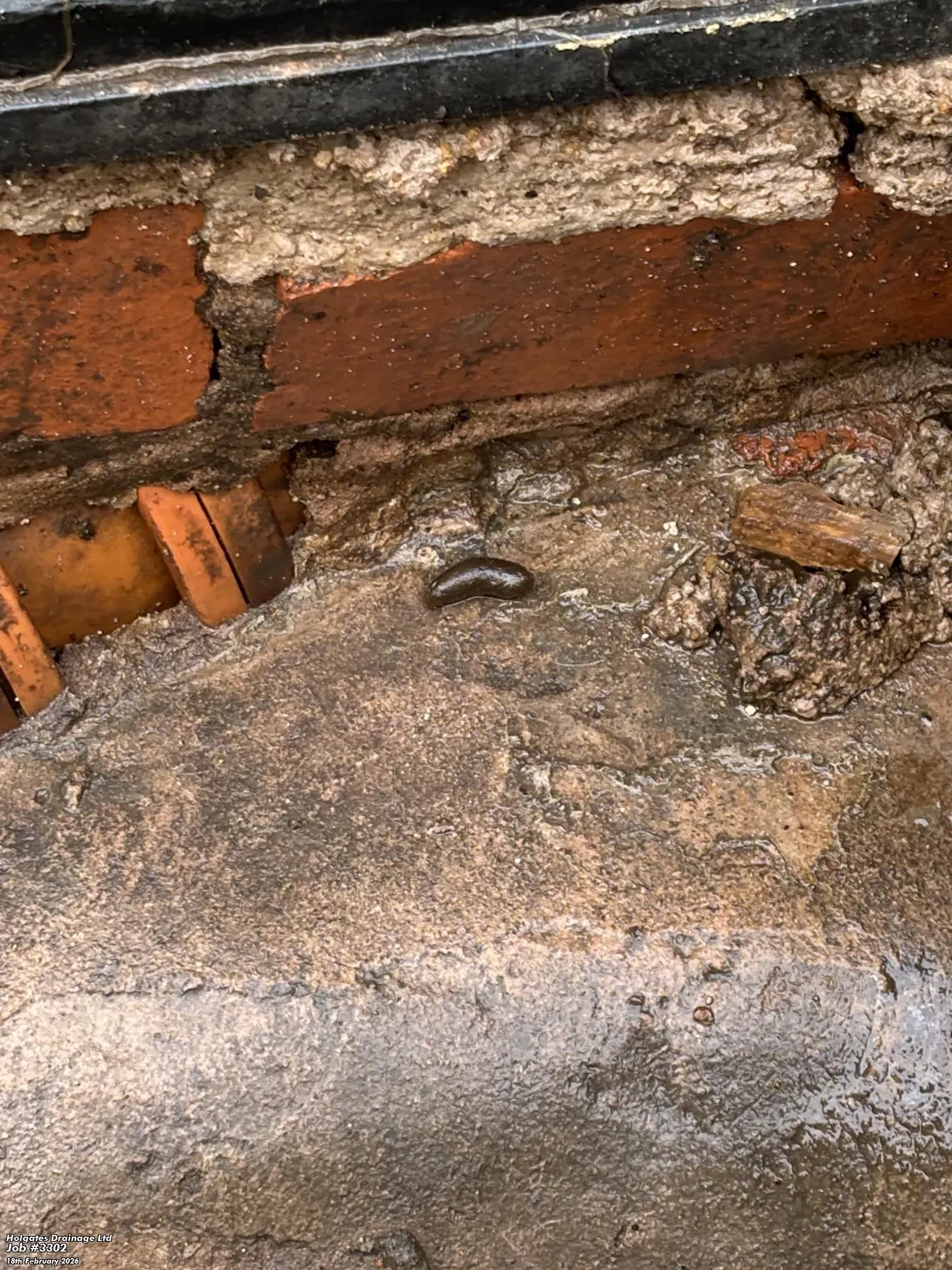
Rat Evidence
Rat droppings are thick, cylindrical, and often found grouped in specific toilet areas along wall edges.
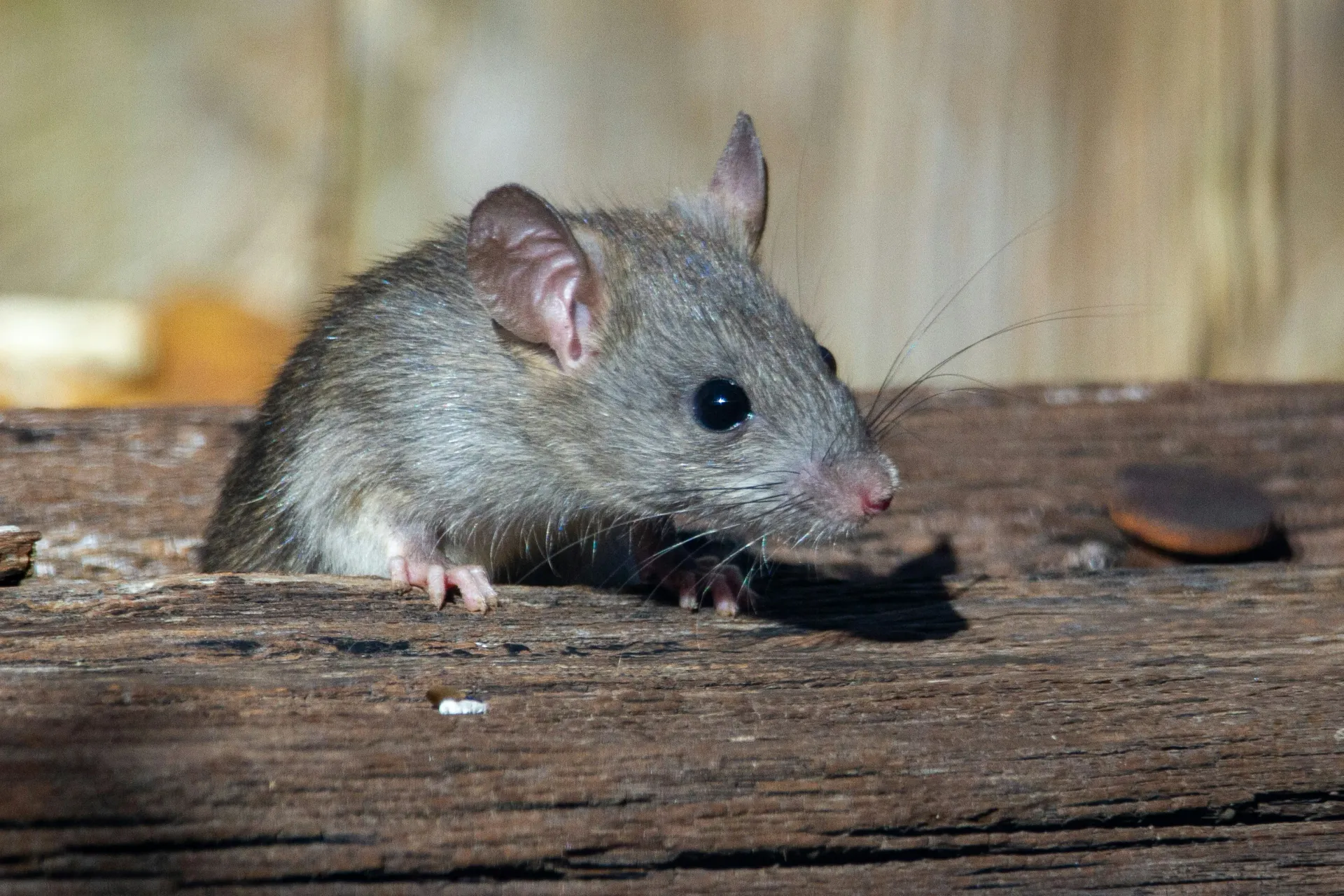
Mouse Activity
Mice climb vertical timber studs effortlessly and squeeze through gaps no wider than a standard pencil.
2. Checking Behind Kickboards for Droppings
Before pulling up carpets and prizing up tongue-and-groove floorboards, grab a bright torch and unclip the plinth (kickboard) underneath your kitchen units. The space beneath kitchen cabinets is rarely floored properly, leaving gaps around the waste pipe and incoming water main that lead straight into the sub-floor void.
Put on a pair of disposable nitrile gloves before touching anything. Mouse droppings will be peppered everywhere because mice defecate continuously while they walk—up to 80 droppings a night per mouse. They are tiny, dry, and pointed at the tips.
Rats are much more methodical. They tend to use the same corners behind appliances as dedicated latrines, producing 30 to 40 large, blunt-ended droppings a day. Fresh rat droppings look dark and slightly shiny like wet putty, turning dull grey and crumbly after a few days.
3. Greasy Sebum Rub Marks and Ammonia Odours
Rodents have poor eyesight and navigate dark underfloor spaces by brushing their whiskers and flanks against solid edges. Both rats and mice have natural oils in their fur (sebum) that pick up dust and dirt from under the house.
When we lift a floor hatch or inspect around central heating pipes, we look for dark, greasy smear marks. A rat leaves heavy, noticeable black smudges along the bottom edge of skirting boards, over timber joists, and around the edges of entry holes. Mice leave much fainter smears, typically right around the tiny 6mm holes where they pop up next to radiator pipes.
Your nose will also tell you plenty. A settled mouse infestation produces a strong, stale, musky smell of ammonia that lingers inside airing cupboards and under the kitchen sink. Rats produce a heavier, sour urine smell, and if a rat dies underneath your floorboards, the resulting odour can permeate a ground-floor living room for two to three weeks unless the carcass is located and removed.
Why Shared Sub-Floor Voids Spread Rodents Fast
In pre-1919 stone-built terraced housing across Darwen, Haslingden, and Rawtenstall, the rubble foundations beneath the ground floor rarely have solid dividing walls all the way down to the earth. Once a rat or mouse gets into the sub-floor of one house at the end of the row, it has a dry, undisturbed highway running beneath the floorboards of the entire terrace.
4. Why You Must Diagnose Before Laying Traps or Bait
Misdiagnosing the pest is the main reason DIY rodent control fails. If you have a brown rat under the floorboards and put down standard wooden mouse traps, the rat will either ignore them completely or get snapped on the nose, surviving the strike and becoming permanently trap-shy. Once a rat learns to fear traps, catching it takes considerably more work.
Throwing loose poison blocks or grain pockets down through a gap in the floorboards is even riskier. Mice will happily hoard loose grain, carrying it inside wall cavities or behind your cooker where pets might reach it. Worse still, if a rat eats amateur-grade poison and dies wedged underneath a tiled bathroom floor or fitted laminate hallway, you are left with a severe fly infestation and an unbearable smell.
When we attend a property, we start with a proper torch-and-mirror survey—and use an endoscope camera if we need to see inside tight cavity walls or under sealed floors without ripping your house apart.
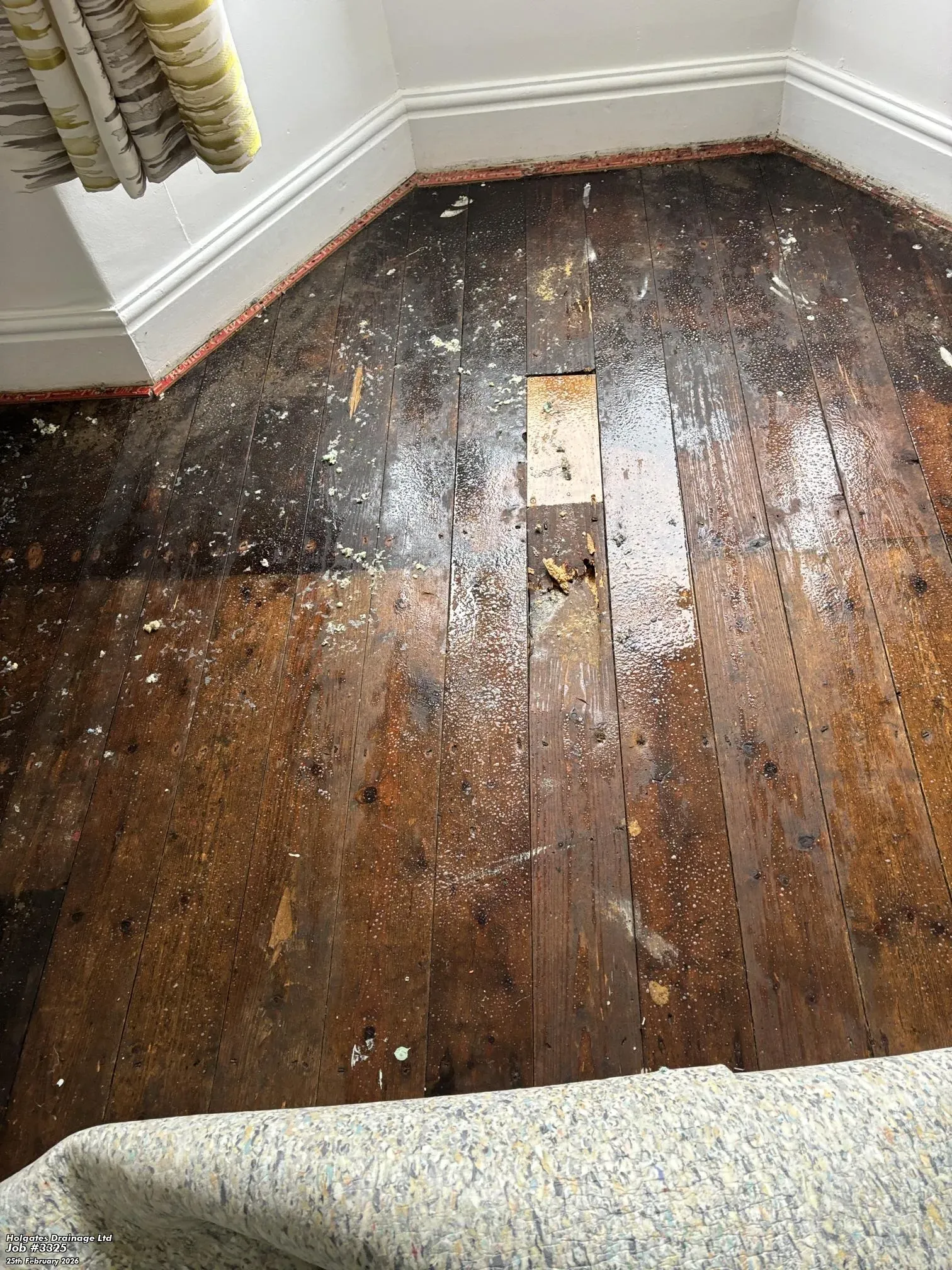
Sub-Floor Inspections
We lift floorboards carefully and wear protective overshoes to trace active runs without making a mess of your home.
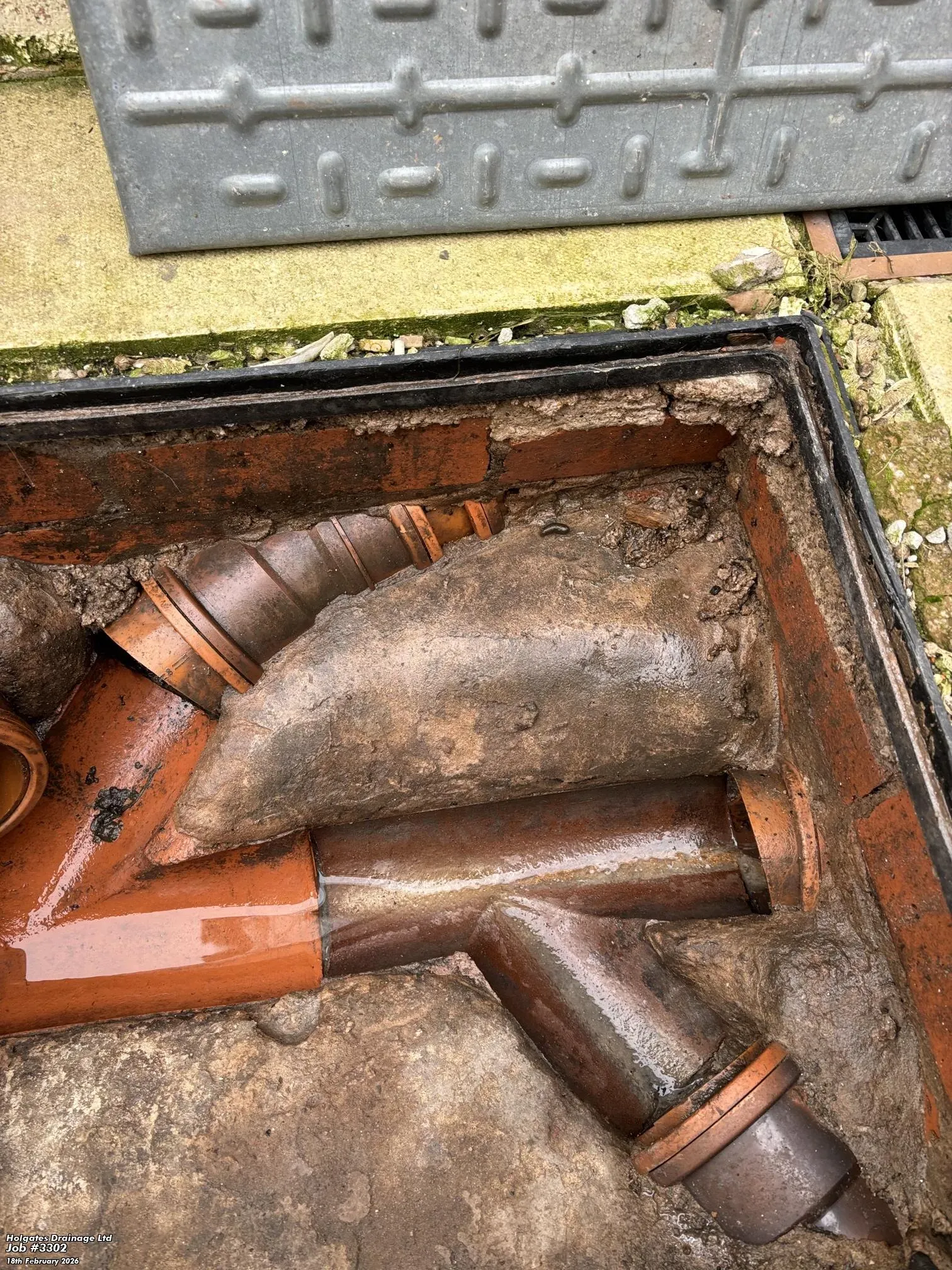
Checking the Drains
Sub-floor rats almost always link back to a broken clay bend, displaced joint, or missing bung in the drainage run.
5. How We Sort Out Underfloor Rodent Problems Properly
Getting rid of the rodents currently under your floorboards is only half the job; stopping the next batch from moving in is what actually solves the problem. Our team brings over 155 years of combined technician experience to every call-out, focusing on physical exclusion and targeted control rather than just dumping poison down holes.
If our inspection confirms mice, we use professional snap traps or secure, tamper-resistant bait boxes alongside non-toxic tracking dust to map every run. We then seal up the internal and external entry points using copper wire mesh (Stuf-fit), stainless steel mesh, and rodent-proof expanding compounds around your pipework and airbricks.
If the culprit is a rat under the floorboards, we immediately lift the outside inspection chamber covers. Around nine times out of ten, rats living under a ground floor are coming out of a redundant drain spur, a missing rodding eye cap, or a cracked salt-glazed clay pipe beneath the foundations. We work directly with specialist drainage contractors Drain Medics and Liverpool One Drainage to carry out CCTV camera surveys, fit stainless steel non-return rat valves (rat flaps), and cap off broken underground lines so rats are locked out for good.
Related Services & Guides
Find out more about how we eradicate rodents and proof properties against future infestations.
Rat Control, Eradication & Proofing in Blackburn
Expert rat eradication and proofing in Blackburn. Specialist sub-floor inspections and drain camera surveys to stop rodents at the source. Call today.
How Much Does Pest Control Cost in the UK?
Find out what affects UK pest control prices, from council call-outs to private treatments, follow-up visits, and permanent entry-point proofing.
Are Pest Control Treatments Safe for Pets?
Find out how professional pest technicians protect dogs, cats, and children using lockable bait boxes, HSE-approved sprays, and safe drying times.
How Do Rats Get Into Houses Through Drains?
Find out how brown rats use broken clay pipes and missing drain bungs to enter cavity walls, and when a CCTV survey and rat blocker will stop them.
Why Do Shop-Bought Mouse Traps and Poisons Fail?
Find out why DIY mouse traps and hardware-store poisons rarely clear a terrace house infestation, and why sealing 5mm entry gaps is the real fix.
What Are the UK Laws on Trapping Grey Squirrels?
Learn the UK legal rules on trapping invasive grey squirrels, why live release is illegal, and how to check for protected bats before starting loft work.
How Much Damage Can Squirrels Do in a Loft?
Learn what damage grey squirrels cause inside roof spaces, from chewed electrical wiring and torn loft insulation to gnawed roof timbers and soffits.
Why Should You Never Block Up a Wasp Nest Hole?
Blocking an active wasp hole with silicone or foam forces angry wasps to chew through internal plasterboard. Learn how professional lance treatments work.
How Do You Prepare a Room for Bed Bug Treatment?
Learn how to prepare your rooms before a professional bed bug visit, including how to bag laundry safely and clear furniture without spreading eggs.
How to Spot Cockroaches Behind Kitchen Appliances
Learn how to check behind fridges, dishwashers, and kickboards for cockroach droppings, egg cases, and musty smells in your home or commercial kitchen.
Why Am I Still Seeing Fleas After a Room Spray?
Learn why dormant flea cocoons hatch days after a professional spray, how long full eradication takes, and why you must wait to vacuum.
Bird Spikes vs Tensioned Wire: Which Works Best?
Compare stainless steel bird spikes and tensioned wire systems. Learn how bird species, roosting pressure, and ledge styles determine the right deterrent.
Does Bird Proofing Void Your Solar Panel Warranty?
Find out how professional non-penetrating solar clips secure bird mesh without drilling into your panels, keeping your manufacturer warranty fully valid.
Can Pigeons Under Solar Panels Cause Bird Mites Inside?
Learn how pigeons nesting under solar panels bring biting bird mites into upstairs bedrooms, and why nest removal and sanitisation must happen with meshing.
Why Is Cleaning Dried Pigeon Droppings Yourself Risky?
Learn why sweeping dry pigeon guano in lofts or on balconies releases harmful airborne spores, and how biocide damping down keeps your home safe.
Do Small Businesses Need a Pest Control Contract?
Weigh up one-off emergency call-outs against routine pest control contracts. Learn how regular checks catch drain defects and insects before stock is ruined.
How Many Visits Does Mouse Control Take?
Find out why clearing a mouse infestation usually takes 2 to 3 visits, from checking tamper-resistant bait boxes to sealing 5mm entry gaps with copper mesh.
When Does Wasp Season Start and End in the UK?
Find out when UK wasp season starts and finishes, why late-summer wasps turn aggressive, and why old paper nests are never reused.
Do Bed Bugs Mean Throwing Your Mattress Away?
Learn why dumping a mattress with bed bugs often spreads eggs through your home, and how professional heat and seam treatments save your furniture.
German vs Oriental Cockroaches: What Is the Difference?
Learn how to tell German and Oriental cockroaches apart, from warm appliance motors to damp cellar drains, and why species matters for eradication.
How Do Pest Technicians Work Discreetly in Shops?
See how commercial pest technicians manage inspections, hidden bait stations, and out-of-hours treatments in shops and restaurants without alarming customers.
What Happens if a House Survey Finds Woodworm?
Found woodworm on a house survey? Learn how we check for active beetles, test timber moisture, and treat loft rafters or joists to satisfy lenders.
Why Do Silverfish Gather in Bathrooms and Kitchens?
Find out why damp plaster, leaky pipes, and high humidity attract silverfish and beetles, plus practical steps to seal gaps and clear infestations.
Ready to Get Those Noises Under the Floorboards Sorted?
Speak directly to an experienced local technician at Pest Medic. We will identify whether you have rats or mice, find out how they are getting in, and seal the entry points properly.