How to Spot Cockroaches Behind Kitchen Appliances
If you have switched the kitchen light on at midnight and seen something dart under the fridge, you do not need to panic—you just need a proper torch and to know where to look. Here is how our technicians inspect behind white goods, under kickboards, and inside motor housings.
The Short Answer: What You Are Looking For
1. Black "Pepper" Specs & Smears
German cockroaches leave tiny, dark droppings that look exactly like ground black pepper or spilled instant coffee granules along skirting boards, kickboard hinges, and rubber fridge seals.
2. Brown Leathery Egg Cases
Look for small, ridged, pill-shaped capsules called oothecae (around 5mm to 10mm long) tucked into warm crevices behind dishwasher insulation or underneath microwave feet.
3. A Musty, Oily Smell
When a colony settles behind an appliance, their aggregation pheromones and shed skins create a distinct, slightly sweet, musty grease odour that hits you as soon as you pull the unit forward.
Why Cockroaches Target Fridges, Dishwashers, and Ovens
Cockroaches are nocturnal, photophobic (they hate light), and thigmotactic—meaning they like having solid surfaces pressed tightly against both their backs and bellies at the same time. A modern fitted kitchen gives them everything they need to breed unseen within a two-metre radius.
Behind a domestic fridge-freezer or a commercial under-counter chiller, the compressor motor runs continuously at around 30°C to 40°C. Add condensation from a drip tray or a weeping braided hose behind a washing machine, plus a few crumbs swept under the plinth, and a single pregnant female can establish a colony of hundreds within a couple of months.
Because they spend roughly 75% of their lives crammed inside narrow cracks, spotting a live cockroach wandering across your worktop during the day usually means the harbourage gaps behind your appliances are already overcrowded.
Four Physical Signs Technicians Check For First
Before we move heavy white goods or unclip kickboards, we use a high-lumen inspection torch and an angled mirror to check for physical trade evidence. Here is how to tell cockroach activity apart from general kitchen dirt or mice.
1. Pepper-Like Droppings & Smear Marks
Smaller German cockroaches produce dry, speck-like droppings that resemble coarse black pepper or coffee grounds. You will see these clustered in tight corners, around plug sockets, and along the top lip of kitchen kickboards. Where there is high moisture—like around a dishwasher waste pipe—the droppings turn into dark brown, streaky smear marks along vertical surfaces.
2. Oothecae (Egg Cases)
Unlike ants or flies, cockroaches package their eggs inside a tough, purse-like protein capsule called an ootheca. They are amber to dark mahogany brown with vertical ridges, looking a bit like a dried red kidney bean or a tiny leather pouch. Finding empty, split casings behind an appliance confirms an active breeding site rather than a lone stray insect.
3. Cast Nymph Skins (Exuviae)
As young cockroaches (nymphs) grow into adults, they moult their outer shells five to eight times. These papery, translucent amber husks are lightweight and often blow out slightly when a fridge fan kicks in, collecting in the dusty cobwebs underneath appliance rollers.
4. Musty Pheromone Odour
Cockroaches secrete an aggregation pheromone in their faeces to tell other roaches where safe shelter is located. In enclosed voids behind integrated ovens or under unventilated plinths, this builds up into an unmistakable, sour, oily smell that clings to cardboard packaging and timber cabinetry.
Where to Look: Appliance by Appliance
If you want to check your own kitchen before calling us out, grab a bright LED torch, a pair of disposable gloves, and a flathead screwdriver to pop off plastic plinth clips. Do not spray aerosols while inspecting—all that does is scatter them deeper into the wall cavities.
Behind the Fridge & Freezer
Slide the fridge forward slowly so you do not kink the rear refrigerant pipes or tear the vinyl flooring. Shine your torch directly at the black compressor motor housing at the bottom rear, and check the plastic evaporation drip tray sitting on top of or beside it. Next, peel back a corner of the rubber magnetic door seal (gasket) on the fridge door itself—German cockroaches love wedging themselves inside the warm folds of perished door rubbers.
Under Kitchen Kickboards (Plinths)
The void underneath your base units is basically a dark, undisturbed motorway running the full length of the kitchen. Unclip the kickboard from the adjustable plastic cabinet legs and shine your torch flat across the sub-floor. Pay close attention to the unpainted chipboard undersides of the cabinets, around the adjustable plastic feet threads, and where copper heating pipes or grey 40mm waste pipes disappear into the wall.
Dishwashers & Washing Machines
Dishwashers vent warm, humid steam every cycle. Check the felt or bitumen sound-deadening insulation blanket wrapped around the outside of integrated dishwashers; cockroaches regularly nest between the felt and the metal casing. Also inspect the hinges at the bottom of the drop-down door and the rubber collar around the waste standpipe.
Microwaves, Kettles & Commercial Prep Units
It is a classic mistake to only check floor level. Small nymphs climb into the cooling vents on the back of countertop microwaves, toaster crumb trays, coffee machine drip grids, and the digital display panels of commercial bain-maries. Look for tiny black pepper spots around the ventilation louvres.
German vs Oriental Cockroaches: Why the Location Matters
When we carry out cockroach control in Blackburn and across Lancashire, the exact spot where we find the evidence tells us which species we are dealing with—and how they got into the building.
German Cockroach (12mm–15mm)
Light tan/brown with two dark parallel stripes behind the head. They have sticky pads on their feet, allowing them to climb smooth vertical glass, tiles, and stainless steel.
Where you will find them: High up inside microwave vents, fridge motor housings, cupboard hinges, and behind warm commercial fryers. Usually brought in via cardboard delivery boxes or second-hand appliances.
Oriental Cockroach (20mm–30mm)
Much larger, glossy dark brown to jet black, and heavier-bodied. They are sluggish climbers and prefer cooler, damp, ground-level voids.
Where you will find them: Under kitchen kickboards, inside damp cellars, around unsealed soil pipes, and beneath cracked concrete screed floors.
In older properties across Hyndburn, Burnley, and Blackburn with shared sub-floor voids and aging clay drainage runs, Oriental cockroaches frequently travel up through dry floor gullies, uncapped redundant waste pipes, or fractured drain inspection chambers. Where we suspect cockroaches (or rodents) are emerging from below-ground pipework, we work alongside our specialist drainage partners Drain Medics and Liverpool One Drainage to run CCTV camera surveys and seal off broken underground junctions permanently.
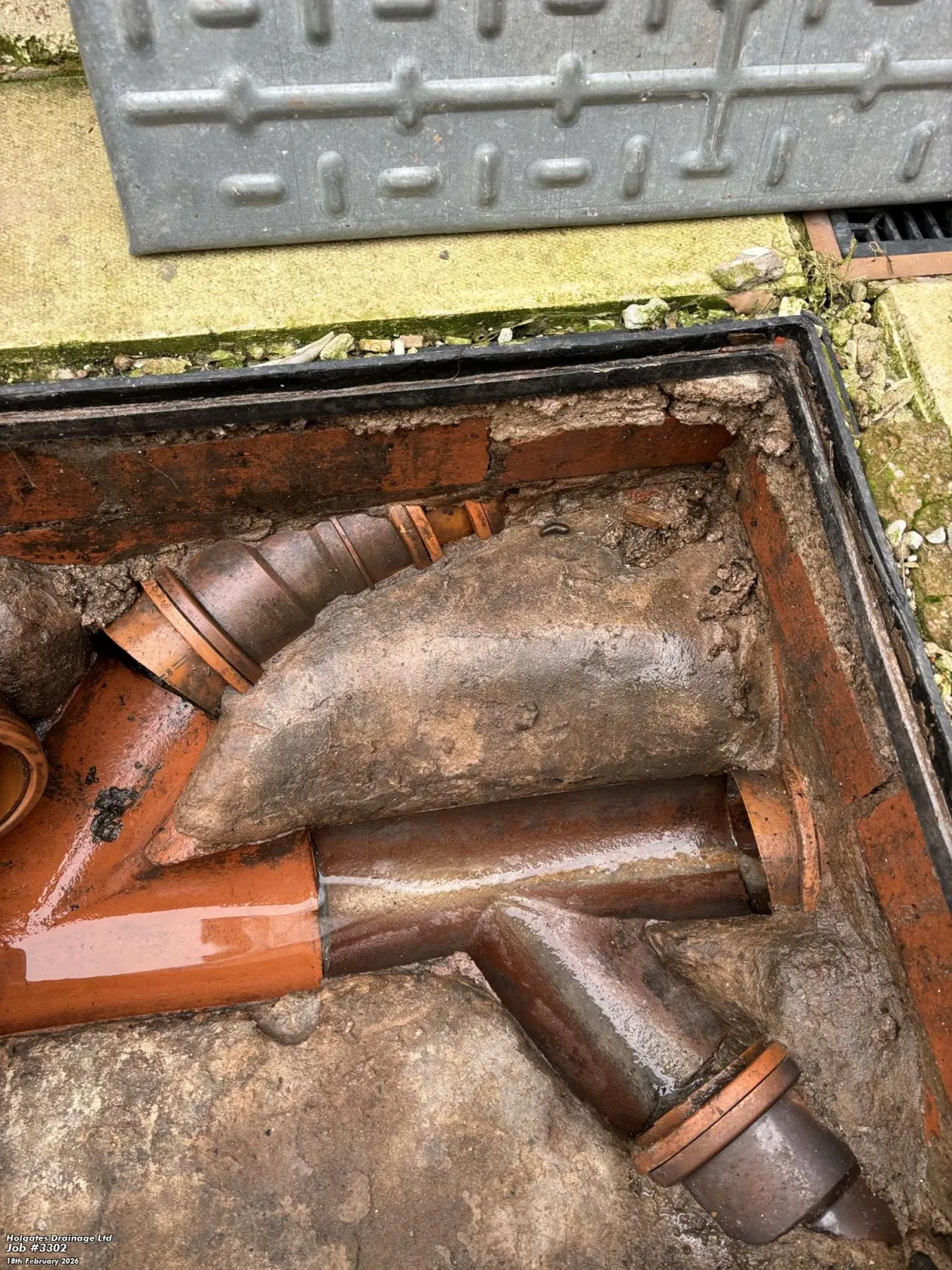
Checking Drains & Pipe Collars
Baiting the kitchen units only solves half the job if cockroaches are climbing out of an unsealed 110mm soil stack sleeve or an old clay drain chamber outside the back door. We check the sub-floor and drainage access points as standard.
Why You Should Avoid Supermarket Fly Sprays Behind Appliances
When people pull out a washing machine and see cockroaches scatter, the natural instinct is to grab a can of supermarket insect spray and douse the skirting board. In our trade, that is the worst thing you can do for three reasons:
- Electrical & Fire Hazard: Spraying propellant aerosols into live fridge compressors, cooling fans, or 13A fused spurs behind ovens risks shorting out the PCB board or igniting solvent vapours.
- Repellency Scattering: Over-the-counter pyrethroid sprays act as a chemical repellent. Instead of wiping out the nest, they drive the colony through unsealed pipe collars into next door's terrace or upstairs into airing cupboards.
- Contaminating Professional Gels: Professional cockroach eradication relies on targeted, high-palatability insecticidal gel baits placed in tiny 3mm spots around hinges and motor housings. If you have sprayed smelly aerosol chemicals over those surfaces, cockroaches will refuse to feed on the bait.
When a Pest Medic technician attends your home or commercial kitchen, we wear protective overshoes, pull appliances out safely using floor runners, and apply non-repellent professional gels alongside Insect Growth Regulators (IGRs) that stop nymphs from maturing and breeding. Once the colony is cleared, we proof pipe entry points with copper mesh and rodent-proof expanding compounds so they cannot return.
Spotted Signs Behind Your Appliances?
Do not spray aerosols and scatter them into the walls. Based in Ramsgreave, Blackburn, we provide discreet domestic and commercial cockroach eradication across a 20-mile Lancashire radius.
Related Services & Guides
Cockroach Control in Blackburn
Expert cockroach control in Blackburn and Darwen. We identify entry points and use professional gels to clear infestations in homes and commercial kitchens.
How Much Does Pest Control Cost in the UK?
Find out what affects UK pest control prices, from council call-outs to private treatments, follow-up visits, and permanent entry-point proofing.
Are Pest Control Treatments Safe for Pets?
Find out how professional pest technicians protect dogs, cats, and children using lockable bait boxes, HSE-approved sprays, and safe drying times.
How Do Rats Get Into Houses Through Drains?
Find out how brown rats use broken clay pipes and missing drain bungs to enter cavity walls, and when a CCTV survey and rat blocker will stop them.
How to Tell if You Have Rats or Mice Under Floorboards
Hearing noises beneath the floor? Learn how to tell rats and mice apart using practical signs like dropping size, scratching sounds, and greasy rub marks.
Why Do Shop-Bought Mouse Traps and Poisons Fail?
Find out why DIY mouse traps and hardware-store poisons rarely clear a terrace house infestation, and why sealing 5mm entry gaps is the real fix.
What Are the UK Laws on Trapping Grey Squirrels?
Learn the UK legal rules on trapping invasive grey squirrels, why live release is illegal, and how to check for protected bats before starting loft work.
How Much Damage Can Squirrels Do in a Loft?
Learn what damage grey squirrels cause inside roof spaces, from chewed electrical wiring and torn loft insulation to gnawed roof timbers and soffits.
Why Should You Never Block Up a Wasp Nest Hole?
Blocking an active wasp hole with silicone or foam forces angry wasps to chew through internal plasterboard. Learn how professional lance treatments work.
How Do You Prepare a Room for Bed Bug Treatment?
Learn how to prepare your rooms before a professional bed bug visit, including how to bag laundry safely and clear furniture without spreading eggs.
Why Am I Still Seeing Fleas After a Room Spray?
Learn why dormant flea cocoons hatch days after a professional spray, how long full eradication takes, and why you must wait to vacuum.
Bird Spikes vs Tensioned Wire: Which Works Best?
Compare stainless steel bird spikes and tensioned wire systems. Learn how bird species, roosting pressure, and ledge styles determine the right deterrent.
Does Bird Proofing Void Your Solar Panel Warranty?
Find out how professional non-penetrating solar clips secure bird mesh without drilling into your panels, keeping your manufacturer warranty fully valid.
Can Pigeons Under Solar Panels Cause Bird Mites Inside?
Learn how pigeons nesting under solar panels bring biting bird mites into upstairs bedrooms, and why nest removal and sanitisation must happen with meshing.
Why Is Cleaning Dried Pigeon Droppings Yourself Risky?
Learn why sweeping dry pigeon guano in lofts or on balconies releases harmful airborne spores, and how biocide damping down keeps your home safe.
Do Small Businesses Need a Pest Control Contract?
Weigh up one-off emergency call-outs against routine pest control contracts. Learn how regular checks catch drain defects and insects before stock is ruined.
How Many Visits Does Mouse Control Take?
Find out why clearing a mouse infestation usually takes 2 to 3 visits, from checking tamper-resistant bait boxes to sealing 5mm entry gaps with copper mesh.
When Does Wasp Season Start and End in the UK?
Find out when UK wasp season starts and finishes, why late-summer wasps turn aggressive, and why old paper nests are never reused.
Do Bed Bugs Mean Throwing Your Mattress Away?
Learn why dumping a mattress with bed bugs often spreads eggs through your home, and how professional heat and seam treatments save your furniture.
German vs Oriental Cockroaches: What Is the Difference?
Learn how to tell German and Oriental cockroaches apart, from warm appliance motors to damp cellar drains, and why species matters for eradication.
How Do Pest Technicians Work Discreetly in Shops?
See how commercial pest technicians manage inspections, hidden bait stations, and out-of-hours treatments in shops and restaurants without alarming customers.
What Happens if a House Survey Finds Woodworm?
Found woodworm on a house survey? Learn how we check for active beetles, test timber moisture, and treat loft rafters or joists to satisfy lenders.
Why Do Silverfish Gather in Bathrooms and Kitchens?
Find out why damp plaster, leaky pipes, and high humidity attract silverfish and beetles, plus practical steps to seal gaps and clear infestations.
Need a Technician to Inspect Your Kitchen?
Speak directly to an experienced local technician at Pest Medic. We will give you straightforward advice, a free quote, and get the problem sorted properly.