Can Pigeons Under Solar Panels Cause Bird Mites Inside?
The short answer is yes—and it is one of the most common reasons homeowners call us out in late spring and summer. When feral pigeons nest beneath warm solar arrays, their twigs and feathers harbour tens of thousands of microscopic blood-feeding parasites. Once the chicks fledge or the nest gets overcrowded, those mites migrate straight through the roof felt, into the loft, and down into upstairs bedrooms.
At a Glance: What You Need to Know
- ✓ The Culprit: Red poultry mites and northern fowl mites living in nesting material under your solar panels.
- ✓ How They Enter: Crawling along solar DC cables, roof tile overlaps, loft hatches, and ceiling downlighters.
- ✓ The Fix: Physical nest removal, raw biocide washdown on the roof, loft space insecticidal treatment, and permanent mesh proofing.
How Roof Nests Turn Into an Indoor Biting Problem
When we get called out to inspect mysterious insect bites in upstairs bedrooms, homeowners almost always suspect bed bugs or fleas first. They wash all the bedding, vacuum the carpets, and check the mattress seams, yet they still wake up with itchy red wheals—or worse, spot tiny dark specks crawling across their phone screen or pillowcase late at night.
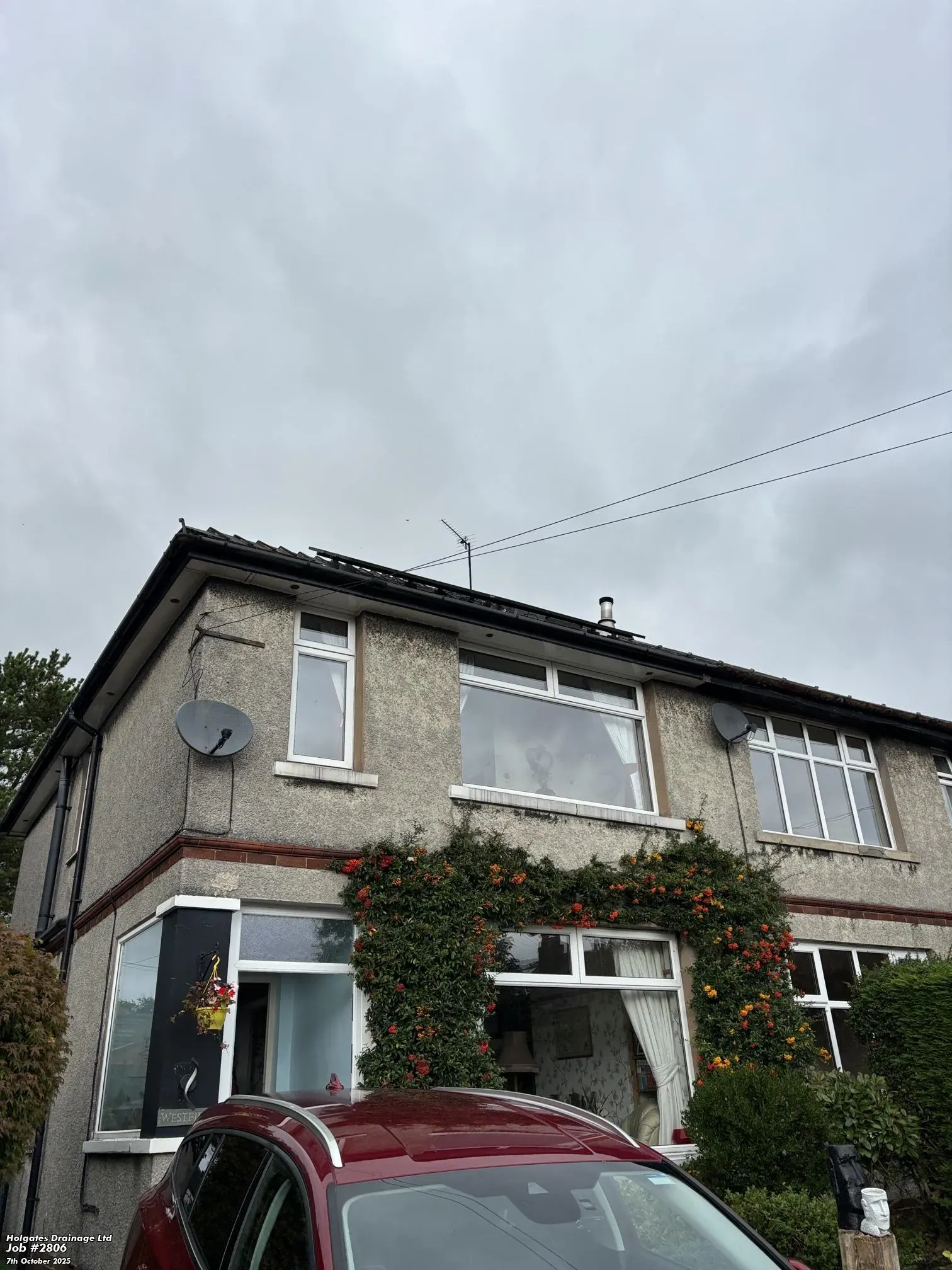
When we step back into the garden and look up at the roof, the real cause is usually sitting right under the solar array. Solar panels act like a heated umbrella for feral pigeons. It is dry, sheltered from the wind, and warm enough that pigeons can breed under them pretty much all year round.
Pigeons are messy builders. They pile up twigs, feathers, and droppings (guano) into thick mats beneath the panels. This warm, damp organic waste is a breeding factory for bird mites (specifically the northern fowl mite and the red poultry mite). A single established pigeon nest can easily hold tens of thousands of mites feeding on the chicks and adult birds.
Why "Just Fitting Mesh" Can Trigger a Massive Mite Invasion
One of the worst mistakes we see is when a homeowner—or a general roofer without pest control training—clips mesh around the solar panels while leaving the old nests and guano underneath.
The moment the pigeons are locked out, a million hungry mites lose their blood source. Starving and stimulated by temperature changes, they scatter in search of a new warm-blooded host. They follow the path of least resistance straight down through the roof membrane and into your bedrooms. Never seal up solar panels without clearing the nests and treating the roof with a residual biocide first.
How Do Mites Get From the Roof Into Your Bedrooms?
Adult bird mites are barely half a millimetre long—about the size of a full stop on a newspaper page. Before they feed, they are semi-transparent or greyish-white; after a blood meal, they turn rusty red or dark brown. Because they are so small, normal building tolerances offer zero barrier to them.
Whether we are looking at modern timber-frame developments around Chorley and Leyland or older properties across Blackburn, the entry routes into the living space are almost always the same:
1. Solar DC Cable Entry Points
The heavy insulated cables running from the panels through the roof tiles and sarking felt into the loft inverter provide a direct motorway straight into your roof space.
2. Recessed Downlighters & Roses
Once inside the loft void, mites crawl across the plasterboard and drop straight through the cut-outs around bathroom extractor fans, bedroom spotlights, and ceiling light roses.
3. Loft Hatches & Pipe Boxing
Unsealed loft hatches on the landing and airing cupboard pipework allow mites to march down the walls onto landing carpets and into adjacent beds.
4. Soffit Vents & Open Windows
When nests sit near the bottom edge of the solar array, mites spill over the fascia and guttering, crawling down the brickwork and straight through bedroom trickle vents and window seals.
Bird Mites vs Bed Bugs: How to Tell What Is Biting You
Before we spray a single drop of insecticide, we always verify what insect we are dealing with. Treating a bedroom for bed bugs when the real source is a pigeon nest on the roof means the problem will come back within forty-eight hours. Here is how our technicians tell them apart on site:
| Feature | Bird Mites (From Solar Panels) | Common Bed Bugs |
|---|---|---|
| Size & Shape | Pinprick size (0.5mm to 1mm), eight legs, oval body. Barely visible to the naked eye until they move. | Apple-pip size when adult (4mm to 5mm), six legs, flat oval body. Clearly visible without a magnifier. |
| Where You Spot Them | Ceilings, upper walls, window sills, around light fittings, and crawling on warm phone or laptop screens. | Tucked tightly into mattress piped seams, bed slats, headboards, and behind skirting boards near the bed. |
| Activity Pattern | Often active both day and night when starving, causing a constant crawling or prickling sensation on skin. | Strictly nocturnal feeders unless the infestation is severe; hide away in dark cracks during daylight. |
| Can They Breed on Humans? | No. They will bite humans to test if we are avian blood, but they cannot complete their breeding cycle on human blood. | Yes. Human blood is their primary food source, allowing them to lay eggs and multiply rapidly indoors. |
Note: Even though bird mites cannot reproduce on human blood, they can survive for weeks without feeding—and as long as the bird nest remains under your solar panels, thousands of fresh mites will keep pouring into the house every day.
How We Eradicate Bird Mites and Proof Your Solar Panels
With over 155 years of combined technician experience across our team, we know that knocking bird mites on the head requires tackling the roof, the loft, and the affected rooms at the same time. Here is the exact process we follow:
Safe Roof Access & Nest Clearance
Operating under the appropriate general licence conditions for public health and hygiene, we set up our roof ladders and physically rake out all twigs, unhatched foul eggs, dead carcasses, and compacted guano from beneath the panels. Every scrap of waste is bagged up on the roof and removed legally off-site as hazardous waste so mites aren't dropped into your gutters or garden.
High-Level Biocide & Acaricide Washdown
Once the debris is cleared, we spray the underside of the panels and the surrounding roof tiles with a professional-grade biocide and residual insecticide. This kills off the remaining mites hiding under the tile overlaps and neutralises the bacteria and fungal spores in the pigeon droppings.
Non-Penetrating Solar Mesh Installation
To make sure the pigeons never get back underneath, we fit UV-stabilised, black PVC-coated galvanised weld mesh around the entire perimeter of the array. We secure the mesh using specialist polycarbonate clips that hook onto the lip of the aluminium panel frame. We never drill into your panels or roof tiles, keeping your solar warranty completely intact.
Loft Space & Bedroom Residual Treatment
Wearing protective overshoes indoors, we inspect the loft space below the array and apply a targeted insecticidal treatment—either a residual surface spray around the eaves, loft hatch, and window frames, or an ultra-low volume (ULV) fogging treatment inside the roof void. We simply ask that children and pets stay clear of the treated rooms for a couple of hours until the surfaces are completely dry.
Related Services & Guides
Solar Panel Bird Proofing in Blackburn
Stop pigeons nesting under your solar panels in Blackburn. Professional mesh installation and guano cleaning to protect your system. Call Pest Medic.
How Much Does Pest Control Cost in the UK?
Find out what affects UK pest control prices, from council call-outs to private treatments, follow-up visits, and permanent entry-point proofing.
Are Pest Control Treatments Safe for Pets?
Find out how professional pest technicians protect dogs, cats, and children using lockable bait boxes, HSE-approved sprays, and safe drying times.
How Do Rats Get Into Houses Through Drains?
Find out how brown rats use broken clay pipes and missing drain bungs to enter cavity walls, and when a CCTV survey and rat blocker will stop them.
How to Tell if You Have Rats or Mice Under Floorboards
Hearing noises beneath the floor? Learn how to tell rats and mice apart using practical signs like dropping size, scratching sounds, and greasy rub marks.
Why Do Shop-Bought Mouse Traps and Poisons Fail?
Find out why DIY mouse traps and hardware-store poisons rarely clear a terrace house infestation, and why sealing 5mm entry gaps is the real fix.
What Are the UK Laws on Trapping Grey Squirrels?
Learn the UK legal rules on trapping invasive grey squirrels, why live release is illegal, and how to check for protected bats before starting loft work.
How Much Damage Can Squirrels Do in a Loft?
Learn what damage grey squirrels cause inside roof spaces, from chewed electrical wiring and torn loft insulation to gnawed roof timbers and soffits.
Why Should You Never Block Up a Wasp Nest Hole?
Blocking an active wasp hole with silicone or foam forces angry wasps to chew through internal plasterboard. Learn how professional lance treatments work.
How Do You Prepare a Room for Bed Bug Treatment?
Learn how to prepare your rooms before a professional bed bug visit, including how to bag laundry safely and clear furniture without spreading eggs.
How to Spot Cockroaches Behind Kitchen Appliances
Learn how to check behind fridges, dishwashers, and kickboards for cockroach droppings, egg cases, and musty smells in your home or commercial kitchen.
Why Am I Still Seeing Fleas After a Room Spray?
Learn why dormant flea cocoons hatch days after a professional spray, how long full eradication takes, and why you must wait to vacuum.
Bird Spikes vs Tensioned Wire: Which Works Best?
Compare stainless steel bird spikes and tensioned wire systems. Learn how bird species, roosting pressure, and ledge styles determine the right deterrent.
Does Bird Proofing Void Your Solar Panel Warranty?
Find out how professional non-penetrating solar clips secure bird mesh without drilling into your panels, keeping your manufacturer warranty fully valid.
Why Is Cleaning Dried Pigeon Droppings Yourself Risky?
Learn why sweeping dry pigeon guano in lofts or on balconies releases harmful airborne spores, and how biocide damping down keeps your home safe.
Do Small Businesses Need a Pest Control Contract?
Weigh up one-off emergency call-outs against routine pest control contracts. Learn how regular checks catch drain defects and insects before stock is ruined.
How Many Visits Does Mouse Control Take?
Find out why clearing a mouse infestation usually takes 2 to 3 visits, from checking tamper-resistant bait boxes to sealing 5mm entry gaps with copper mesh.
When Does Wasp Season Start and End in the UK?
Find out when UK wasp season starts and finishes, why late-summer wasps turn aggressive, and why old paper nests are never reused.
Do Bed Bugs Mean Throwing Your Mattress Away?
Learn why dumping a mattress with bed bugs often spreads eggs through your home, and how professional heat and seam treatments save your furniture.
German vs Oriental Cockroaches: What Is the Difference?
Learn how to tell German and Oriental cockroaches apart, from warm appliance motors to damp cellar drains, and why species matters for eradication.
How Do Pest Technicians Work Discreetly in Shops?
See how commercial pest technicians manage inspections, hidden bait stations, and out-of-hours treatments in shops and restaurants without alarming customers.
What Happens if a House Survey Finds Woodworm?
Found woodworm on a house survey? Learn how we check for active beetles, test timber moisture, and treat loft rafters or joists to satisfy lenders.
Why Do Silverfish Gather in Bathrooms and Kitchens?
Find out why damp plaster, leaky pipes, and high humidity attract silverfish and beetles, plus practical steps to seal gaps and clear infestations.
Stop Pigeons & Bird Mites at the Source
Speak directly to a local technician at Pest Medic. We clear pigeon nests, sanitise contaminated roof areas, treat affected lofts and bedrooms, and fit long-lasting solar panel mesh across Blackburn and a 20-mile Lancashire radius.