How Do Rats Get Into Houses Through Drains?
If you have sealed every visible gap around your brickwork, airbricks, and roofline, yet you still hear scratching in the loft or under the floorboards at night, the problem is almost certainly below ground. In our day-to-day work across Lancashire, faulty drainage is the single biggest hidden cause of repeat brown rat infestations.
The Short Answer
- 1. How they get out: Rats leave main sewers via perished clay joints, uncapped rodding eyes, or redundant pipe spurs.
- 2. How they get inside: They burrow through washed-out pea gravel under foundations right into sub-floor voids and cavity walls.
- 3. The permanent fix: Lifting inspection chambers, running a camera survey, and fitting a stainless-steel non-return rat blocker valve.
How Brown Rats Exploit Underground Pipework
Brown rats (Rattus norvegicus) are built for life in the sewer network. They are strong swimmers, can tread water for days, and can hold their breath long enough to push through water traps. While main public sewers carry a constant flow of waste, domestic lateral drains—the smaller pipes connecting your toilets, sinks, and gullies to the main sewer—spend most of the day dry and warm.
To a rat, your property's lateral drain is a sheltered underground motorway leading straight beneath your home. If that pipework is completely sealed from end to end, the rat simply passes by or hits a dead end. The trouble starts when there is a structural break or an open junction underneath or right beside your foundations.
Once a rat leaves a fractured pipe below ground, it does not need to chew through solid brick. Instead, it digs through the loose sub-base, pea shingle, or soft soil beneath the property. From there, it emerges directly into your sub-floor void, climbs the inside of the dry cavity wall using the rough mortar snots like a ladder, and sets up camp in the loft insulation.
Why Poison Alone Fails on Drain Infestations
Putting down rodenticide bait when you have an open drain breach is like mopping the floor while the tap is still running. You might clear the two or three rats currently living in your loft, but their scent trails remain inside the wall cavity. Within a few weeks, new rats foraging up the sewer line follow that exact same scent trail straight through the broken pipe and back into your ceiling.
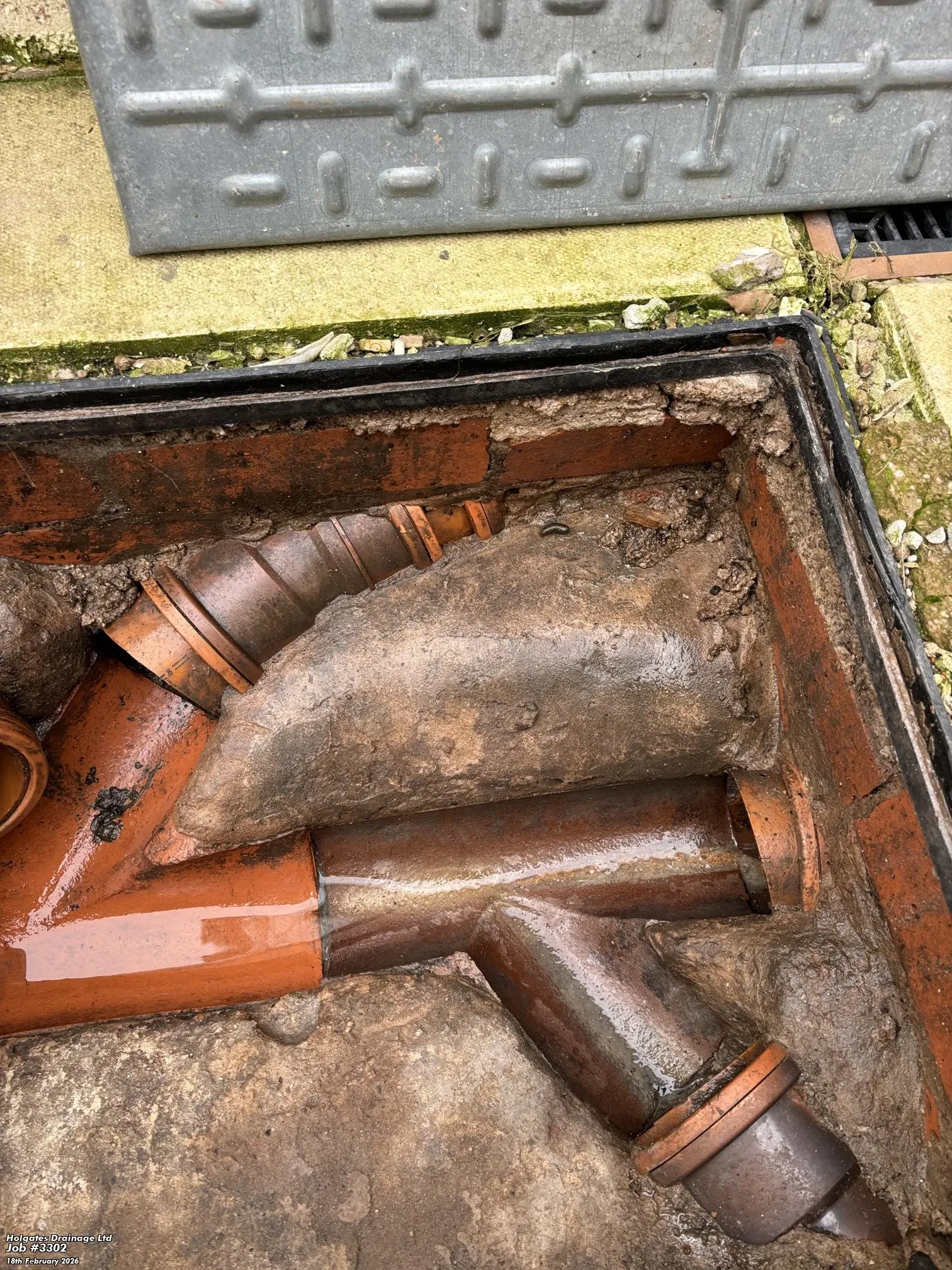
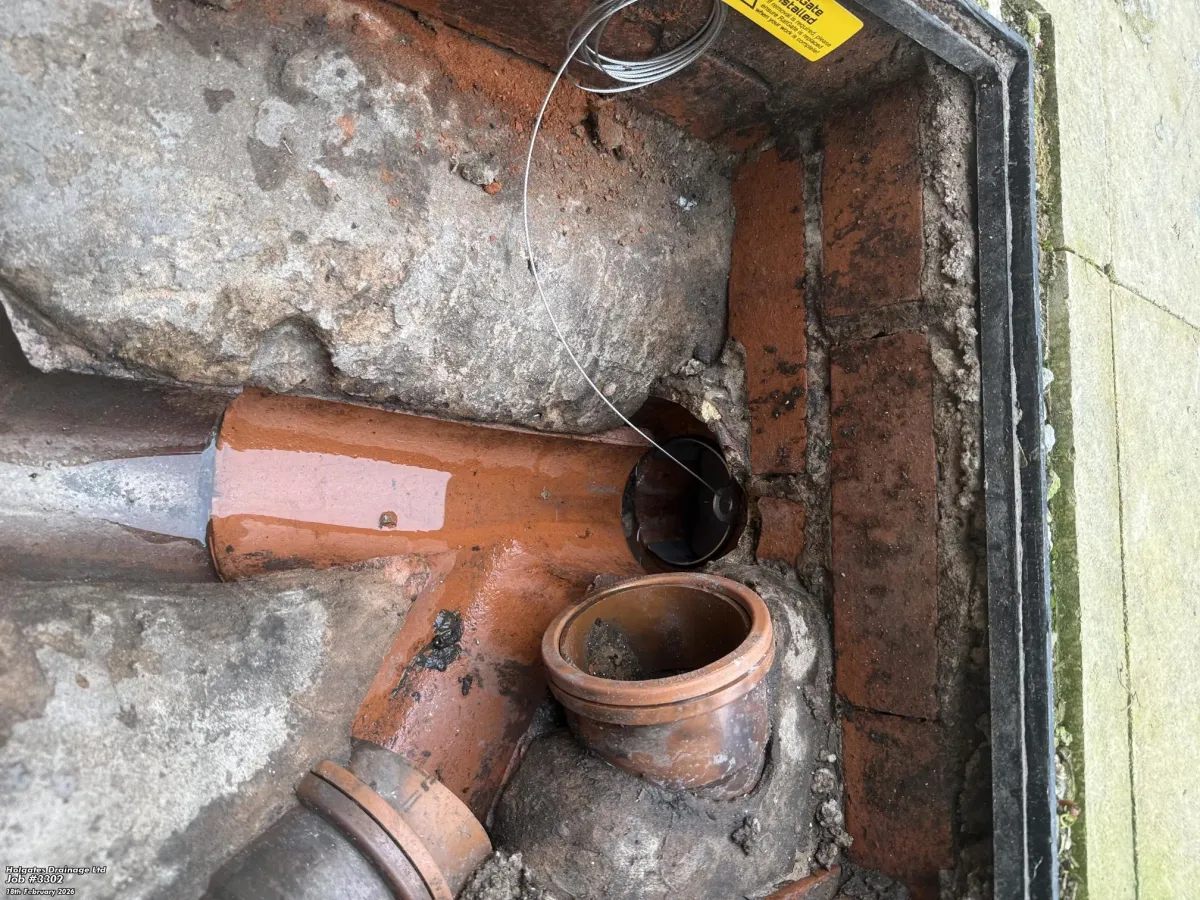
On-site inspection: Lifting an external manhole cover to inspect old salt-glazed clay pipe junctions, benching condition, and mud buildup left by burrowing rats.
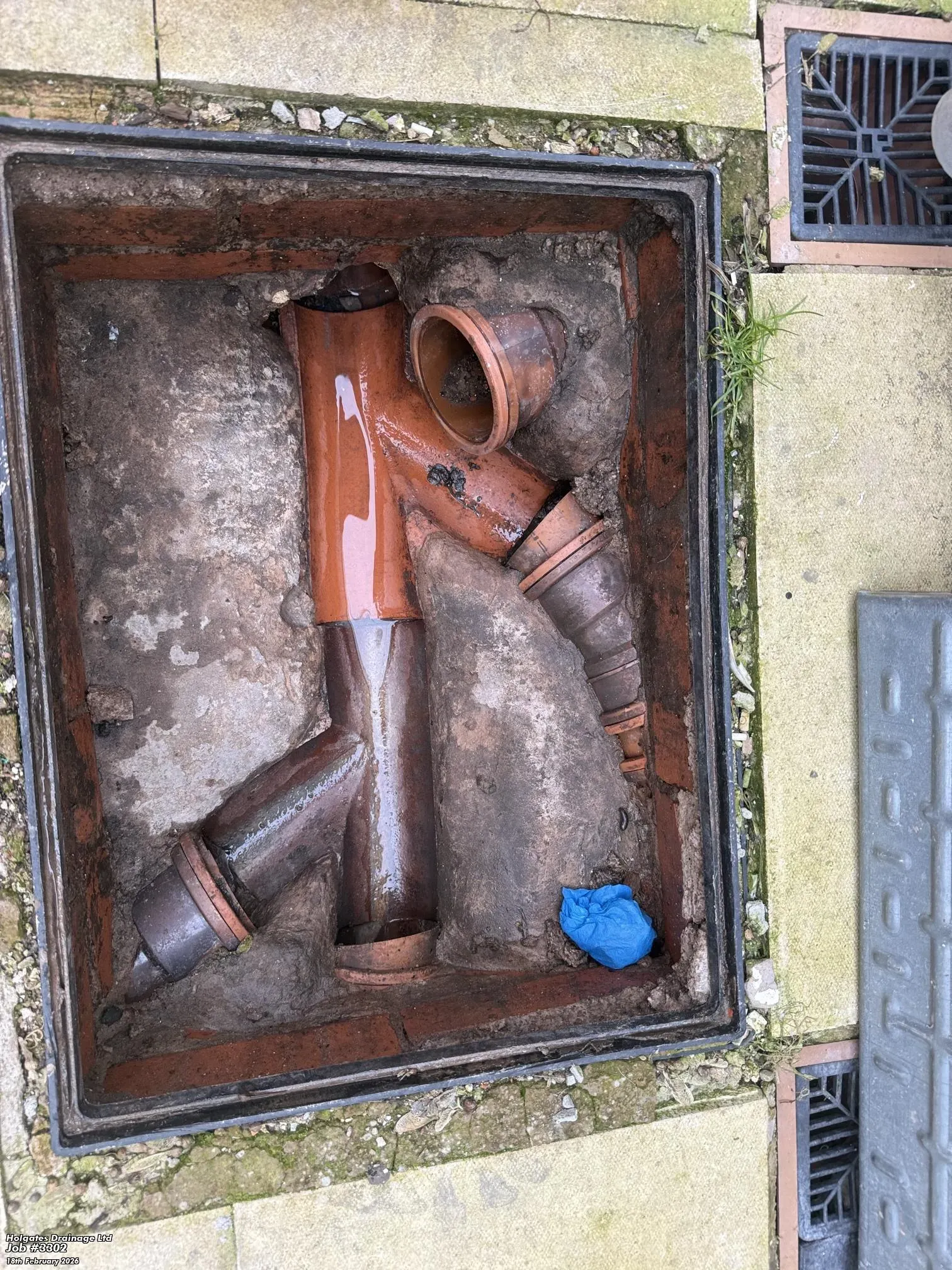
Checking the channels: Inside an inspection chamber, we check for fresh droppings on the concrete benching and missing stoppers on side branches.
The Four Main Ways Rats Escape From Drains Into Your Walls
When we lift manhole covers and run camera surveys across properties in Blackburn, Darwen, and the wider Lancashire area, we see the same four underground defects allowing rats out of the sewer system.
Older properties rely on salt-glazed clay drainage pipes laid in short sections. Over decades, ground settlement, heavy traffic, or tree roots cause the brittle cement collars to crack and the pipe joints to drop. Even a 15mm step or gap at the top of a clay collar is enough for a rat to get its front teeth in, claw away the surrounding soil, and excavate a burrow straight under the house footings.
Many modern plastic inspection chambers and interceptor traps have secondary rodding eyes or unused branch inlets fitted with push-fit plastic caps (bungs). If a drain clears a blockage under pressure or the plastic becomes brittle, that bung pops out and washes away. That leaves a wide-open 110mm tunnel leading either into an unused dry pipe or straight into the bedding gravel around the chamber.
When an older house has a rear kitchen extension built, or an old outside toilet is knocked down, builders sometimes move the plumbing and forget to cap the old clay drain line at the live manhole end. They simply lay the new floor or patio over the redundant pipe. Years later, rats walk up that dry, forgotten pipe and emerge directly underneath your kitchen units or suspended timber floor.
Sometimes rats do not dig out of the pipe at all—instead, they climb up the inside of the vertical soil stack and chew through the thin plastic concertina pan connector behind a downstairs toilet. In other cases, where a 110mm plastic soil pipe passes through a concrete floor slab, the builder leaves a large gap around the outside of the pipe where it meets a dropped clay rest-bend below, giving rats a direct escalator into the boxing-in.
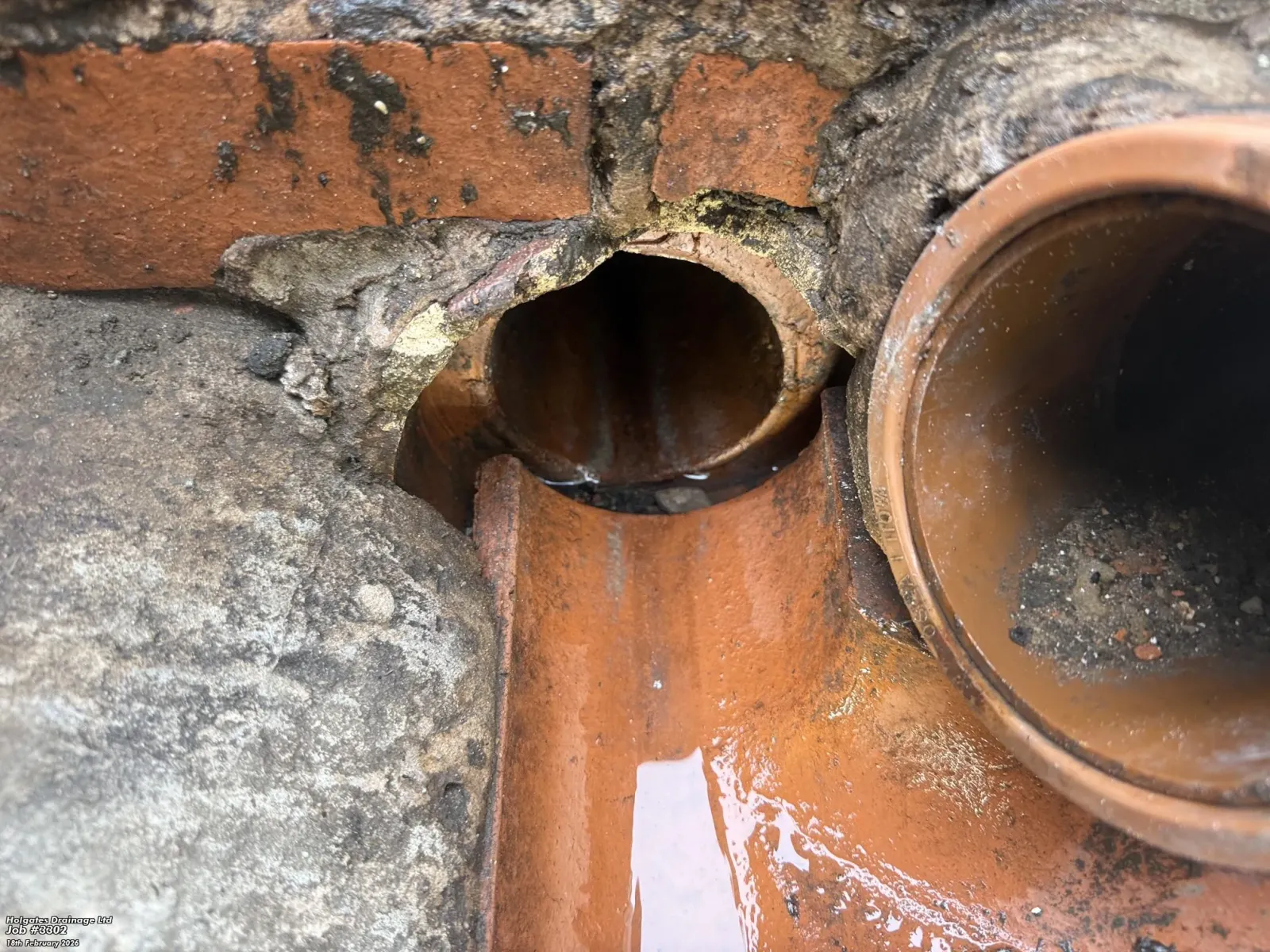
Pinpointing the breach: Checking where internal clay pipes meet the building footprint to locate hidden excavation points.
Tell-Tale Signs Your Rat Problem Is Coming From the Drains
Homeowners are often puzzled when we tell them the rats in their attic are coming from the sewer. Because cavity walls run uninterrupted from the damp-proof course right up to the wall plate in the loft, rats rarely show themselves in living rooms or bedrooms on the way up. Here is what gives away a drain-based incursion:
Gravel or Soil in the Manhole
When we lift your inspection cover, we often find piles of washed-out soil, sand, or pea gravel sitting in the main channel where rats have been kicking spoil backwards into the pipe while digging under your house.
Sunken Paving by Gullies
If patio flags, block paving, or tarmac next to a downpipe gully or manhole frame starts dipping or feeling hollow underfoot, rats have usually hollowed out the sub-base beneath the slab.
Noise Only in Voids & Lofts
You hear heavy thudding, scampering, or gnawing behind bathroom plasterboard, under kitchen kickboards, or in the loft at night, yet there is not a single hole on the outside of the building.
Stale Drain Smells
A dry redundant drain spur or a chewed plastic soil stack connector lets cold sewer air draught straight up into your under-stairs cupboard, kitchen units, or floor void.
CCTV Drain Surveys & Stainless-Steel Rat Blocker Valves
With over 155 years of combined technician experience at Pest Medic, we never guess what is happening underground. We work alongside our specialist drainage partners, Drain Medics and Liverpool One Drainage, to inspect the pipework properly and lock rats out of your system for good.
Finding the Exact Fault
We lift the inspection covers on your property to check the benching for droppings, smear marks, and fresh digging. By pushing a high-definition drain camera up the branches, we pinpoint displaced clay collars, collapsed traps, and uncapped spurs without digging up your garden or floors unnecessarily.
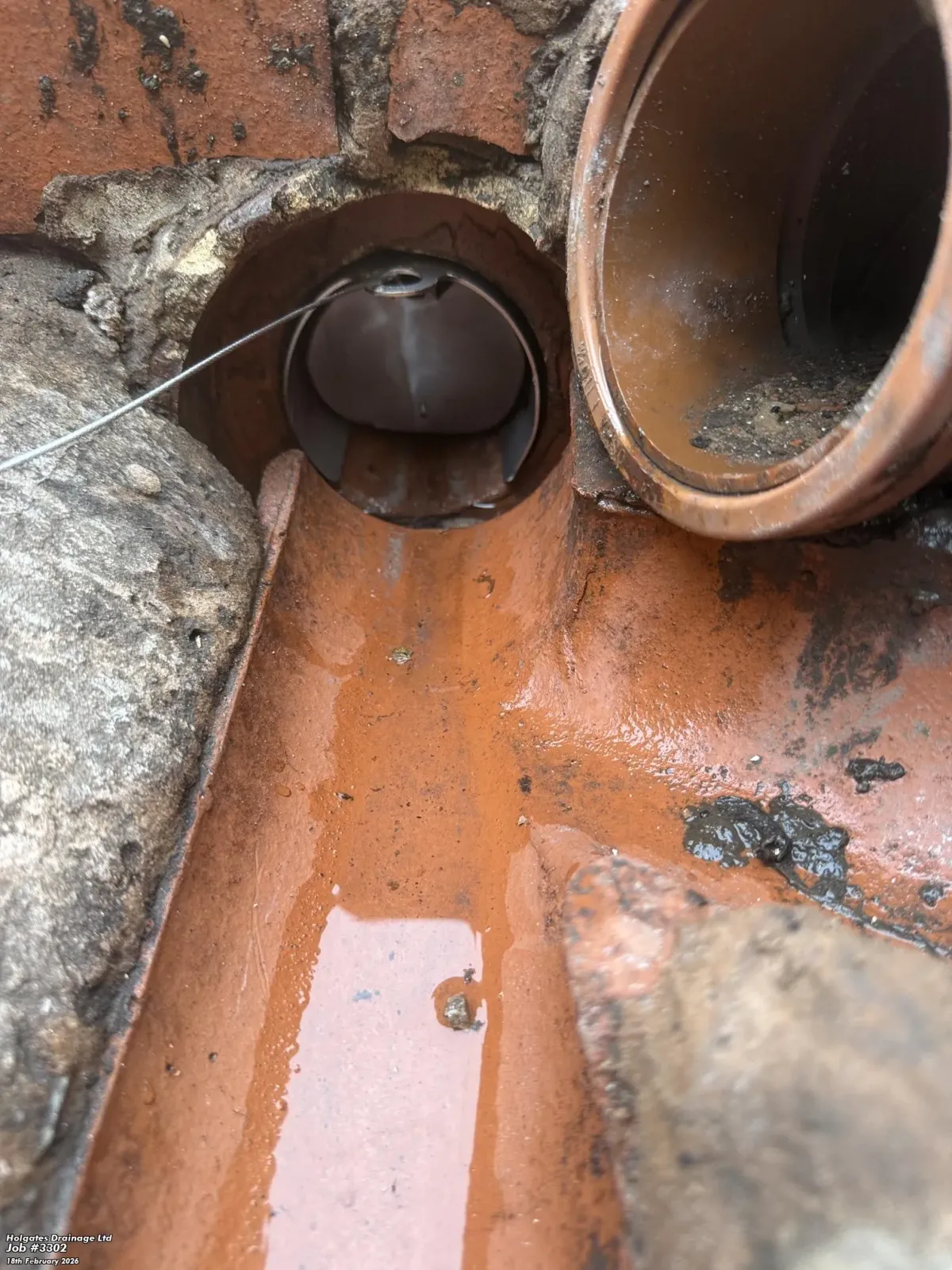
Installing a One-Way Valve
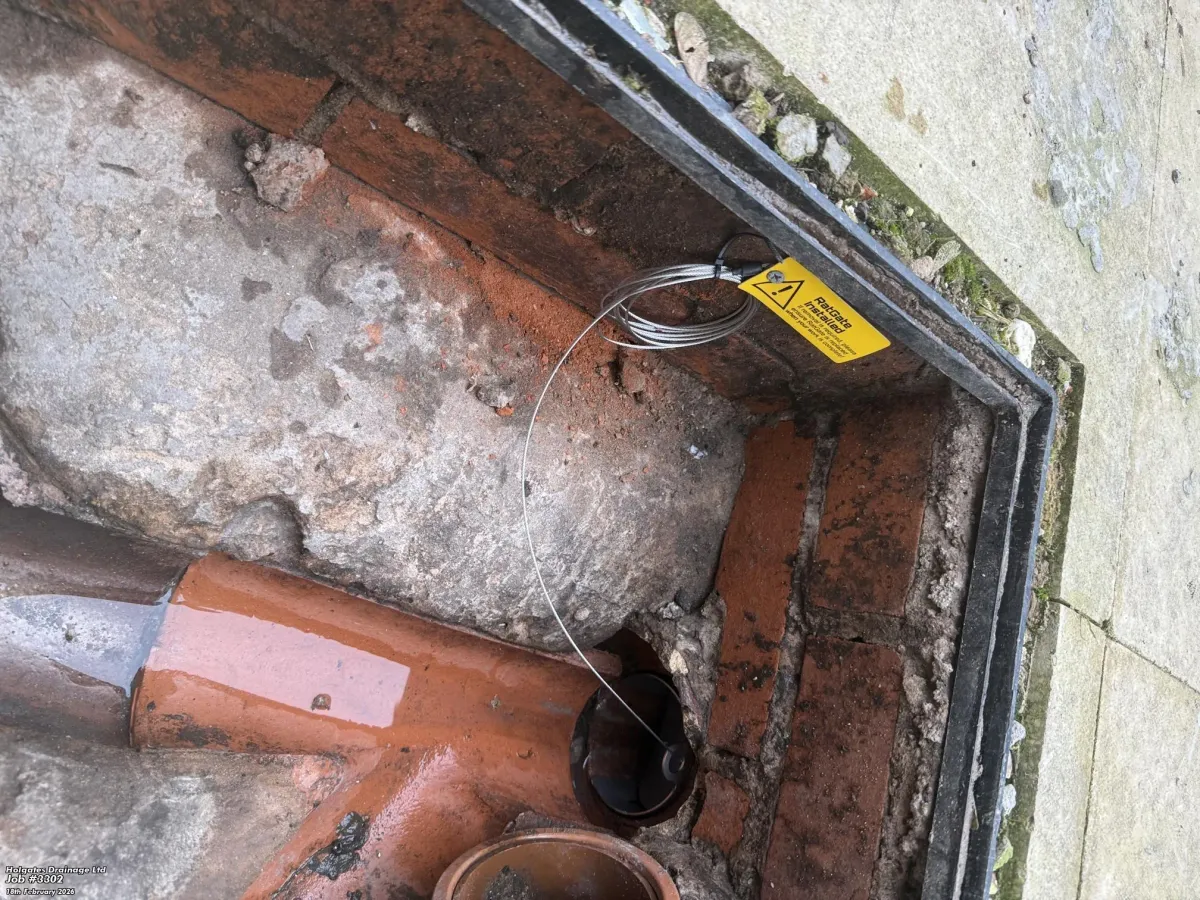
We compression-fit a heavy-gauge, acid-resistant stainless-steel rat blocker (often called a rat flap or RatGate) into the outlet or inlet pipe inside your manhole chamber. Waste water and tissue flow out freely into the main sewer, but the hinged serrated flap locks shut from the sewer side so rats cannot push past it.
Clearing the Remaining Rats
Because a rat blocker is a one-way valve, any rats still inside your cavity walls can walk out down the drain to drink, pass through the flap into the main sewer, and find themselves locked out permanently. We also cap off redundant spurs and run targeted internal trapping or baiting to make sure the house is completely clear.
What about shared drains on terraced streets?
In many red-brick terraces across Blackburn and Accrington, or older stone terraces in Darwen, a single lateral drain runs beneath the back yards of six or eight houses before meeting the main sewer. If a neighbour three doors down has a broken clay gully, rats can enter the shared sub-floor void or travel along the pipework to your branch. Installing a rat blocker on your specific branch inlet isolates your home from the rest of the run, while structural pipe repairs or patch liners can seal breaches straight underneath your footprint.
Practical Questions Homeowners Ask Us About Drain Rats
Can a rat actually swim up through the toilet bowl?
Yes, it does happen, mostly with ground-floor toilets connected on a short run to an older inspection chamber. A brown rat can easily squeeze around a standard U-bend water trap because its ribs are hinged at the spine—if its skull fits through a gap, the rest of its body goes through too. More often, though, rats chew through the plastic concertina pan connector behind the toilet rather than emerging in the bowl itself.
Will a stainless-steel rat blocker cause my drain to block?
Not when it is sized and fitted properly by a trained technician. The hinged flap sits in the direction of flow and lifts effortlessly whenever a toilet is flushed or a bath is emptied. We always attach a high-visibility warning tag inside the manhole rim so anyone lifting the lid in the future knows a valve is fitted in the pipe.
How long does it take to fit a rat blocker valve?
Once we have surveyed the chamber and identified the right 100mm or 150mm pipe wall, cleaning the clay or plastic channel and fitting a stainless-steel valve typically takes under an hour. There is no digging required as long as you have an accessible inspection chamber.
What about the contamination left under my floorboards?
Rats moving between foul drains and your loft carry dangerous bacteria, including Leptospira (Weil's disease), Salmonella, and E. coli on their fur and feet. Once we have eradicated the rats and blocked the drain entry point, we can carry out a full biocide washdown, remove soiled loft insulation, and neutralise odours so your home is clean and safe.
Related Services & Guides
Rat Control, Eradication & Proofing in Blackburn
Expert rat eradication and proofing in Blackburn. Specialist sub-floor inspections and drain camera surveys to stop rodents at the source. Call today.
How Much Does Pest Control Cost in the UK?
Find out what affects UK pest control prices, from council call-outs to private treatments, follow-up visits, and permanent entry-point proofing.
Are Pest Control Treatments Safe for Pets?
Find out how professional pest technicians protect dogs, cats, and children using lockable bait boxes, HSE-approved sprays, and safe drying times.
How to Tell if You Have Rats or Mice Under Floorboards
Hearing noises beneath the floor? Learn how to tell rats and mice apart using practical signs like dropping size, scratching sounds, and greasy rub marks.
Why Do Shop-Bought Mouse Traps and Poisons Fail?
Find out why DIY mouse traps and hardware-store poisons rarely clear a terrace house infestation, and why sealing 5mm entry gaps is the real fix.
What Are the UK Laws on Trapping Grey Squirrels?
Learn the UK legal rules on trapping invasive grey squirrels, why live release is illegal, and how to check for protected bats before starting loft work.
How Much Damage Can Squirrels Do in a Loft?
Learn what damage grey squirrels cause inside roof spaces, from chewed electrical wiring and torn loft insulation to gnawed roof timbers and soffits.
Why Should You Never Block Up a Wasp Nest Hole?
Blocking an active wasp hole with silicone or foam forces angry wasps to chew through internal plasterboard. Learn how professional lance treatments work.
How Do You Prepare a Room for Bed Bug Treatment?
Learn how to prepare your rooms before a professional bed bug visit, including how to bag laundry safely and clear furniture without spreading eggs.
How to Spot Cockroaches Behind Kitchen Appliances
Learn how to check behind fridges, dishwashers, and kickboards for cockroach droppings, egg cases, and musty smells in your home or commercial kitchen.
Why Am I Still Seeing Fleas After a Room Spray?
Learn why dormant flea cocoons hatch days after a professional spray, how long full eradication takes, and why you must wait to vacuum.
Bird Spikes vs Tensioned Wire: Which Works Best?
Compare stainless steel bird spikes and tensioned wire systems. Learn how bird species, roosting pressure, and ledge styles determine the right deterrent.
Does Bird Proofing Void Your Solar Panel Warranty?
Find out how professional non-penetrating solar clips secure bird mesh without drilling into your panels, keeping your manufacturer warranty fully valid.
Can Pigeons Under Solar Panels Cause Bird Mites Inside?
Learn how pigeons nesting under solar panels bring biting bird mites into upstairs bedrooms, and why nest removal and sanitisation must happen with meshing.
Why Is Cleaning Dried Pigeon Droppings Yourself Risky?
Learn why sweeping dry pigeon guano in lofts or on balconies releases harmful airborne spores, and how biocide damping down keeps your home safe.
Do Small Businesses Need a Pest Control Contract?
Weigh up one-off emergency call-outs against routine pest control contracts. Learn how regular checks catch drain defects and insects before stock is ruined.
How Many Visits Does Mouse Control Take?
Find out why clearing a mouse infestation usually takes 2 to 3 visits, from checking tamper-resistant bait boxes to sealing 5mm entry gaps with copper mesh.
When Does Wasp Season Start and End in the UK?
Find out when UK wasp season starts and finishes, why late-summer wasps turn aggressive, and why old paper nests are never reused.
Do Bed Bugs Mean Throwing Your Mattress Away?
Learn why dumping a mattress with bed bugs often spreads eggs through your home, and how professional heat and seam treatments save your furniture.
German vs Oriental Cockroaches: What Is the Difference?
Learn how to tell German and Oriental cockroaches apart, from warm appliance motors to damp cellar drains, and why species matters for eradication.
How Do Pest Technicians Work Discreetly in Shops?
See how commercial pest technicians manage inspections, hidden bait stations, and out-of-hours treatments in shops and restaurants without alarming customers.
What Happens if a House Survey Finds Woodworm?
Found woodworm on a house survey? Learn how we check for active beetles, test timber moisture, and treat loft rafters or joists to satisfy lenders.
Why Do Silverfish Gather in Bathrooms and Kitchens?
Find out why damp plaster, leaky pipes, and high humidity attract silverfish and beetles, plus practical steps to seal gaps and clear infestations.
Suspect Rats Are Getting In Through Your Drains?
Stop paying for repeat baiting that never solves the root cause. Speak directly to our Ramsgreave team for a full property inspection, drain camera investigation, and permanent stainless-steel proofing across Blackburn and Lancashire.