Does Bird Proofing Void Your Solar Panel Warranty?
The short answer is no—provided it is fitted properly. Professional solar panel bird proofing never involves drilling, screwing, or gluing anything to your PV frames. Here is how non-penetrating clips keep pigeons out while keeping your manufacturer guarantee 100% intact.
Quick Summary for Homeowners
- • Zero drilling: We never drill holes or drive self-tapping screws into the anodised aluminium frame of your solar panels.
- • How it holds: We use specialised, UV-stabilised polycarbonate or stainless steel clips that hook underneath the bottom lip of the panel frame.
- • Service access: If an electrician ever needs to swap an inverter wire or lift a panel, the clips and mesh can be unclipped and re-secured without damage.
- • Time on site: A standard domestic array takes half a day to clear out, biocide wash, and mesh.
Why Drilling Solar Panels Ruins Your Warranty
When you pay thousands of pounds for a domestic solar PV setup, the panels usually come with a 10-to-25-year manufacturer product warranty alongside your installer's workmanship guarantee. That warranty covers the structural integrity of the aluminium frame and the weatherproof seal protecting the silicon cells inside.
Unfortunately, we occasionally get called out to inspect roofs where a general handyman or roofer has tried to block out pigeons by driving self-tapping tek screws straight into the side of the solar panel frame. The moment a drill bit pierces that metal frame, the manufacturer warranty is dead.
Drilling creates three immediate problems on a roof: it breaks the protective anodised coating on the aluminium, it risks puncturing the delicate backsheet or wiring tucked inside the frame lip, and it lets water freeze and expand inside the screw hole during winter.
How Non-Penetrating Solar Clips Actually Work
Every standard solar panel has a turned-under lip along the bottom edge of its metal casing, typically around 15mm to 35mm wide. Dedicated solar proofing clips are engineered solely to grip this existing lip without marking or bending the metal.
When our technicians climb up to your roof, here is the exact hardware we fit around the array:
1. The J-Hook & Locking Disc
A high-strength, UV-stabilised polycarbonate J-hook slides neatly under the bottom lip of the solar panel frame. Once the wire mesh is shaped against the roof tiles and held flat against the panel edge, a locking washer slides down the threaded stem and cinches the mesh tight.
2. Galvanised PVC-Coated Mesh
We use heavy-gauge galvanised weld mesh coated in black UV-stabilised PVC. Unlike flimsy chicken wire that rusts through in two winters or gets crushed by heavy pigeons pushing against it, rigid weld mesh holds its shape across the undulating troughs of pan tiles and slates.
Because the clips rely entirely on compression against the inner lip, there is zero structural modification to the panel or its mounting rails. If a solar engineer ever needs to unbolt a panel to replace an optimiser underneath, they simply snip the plastic clips, do their electrical work, and clip a fresh section back on.
Why Leaving Pigeons Under Panels Can Void Your Cover Anyway
Many homeowners worry so much about touching the panels that they leave nesting pigeons alone. Ironically, leaving feral pigeons underneath your array is far more likely to cause invalidated insurance or warranty claims than fitting mesh.
When pigeons build nests under solar panels—which we see constantly on modern estates around Leyland and Chorley as well as pitched slate roofs across Blackburn—they create three serious hazards:
- Overheating and poor airflow: Solar panels need free airflow underneath them to stay cool and operate efficiently. When the 100mm cavity under your panels is packed solid with twigs, dead chicks, feathers, and dry guano, heat builds up and degrades panel output.
- Acidic guano corrosion: Pigeon droppings are highly acidic. Left caked over MC4 cable connectors, isolation switches, and aluminium mounting rails for years, guano eats into protective coatings and causes earth faults when wet.
- Rodent and insect attraction: Warm nesting material under panels regularly attracts secondary pests. Bird mites migrate down through roof membranes into loft spaces and bedrooms, while brown rats and grey squirrels will occasionally climb ivy or downpipes to raid pigeon nests and chew through DC solar cabling.
Almost every solar manufacturer warranty specifically excludes faults caused by "external animal damage, vermin, or lack of maintenance". Stopping birds from getting under the panels protects the electrical gear from damage that your warranty would refuse to pay for.
Why Glue-On Plastic Spikes and Cheap Foam Strips Fail
If you search online for DIY solar bird proofing, you will see rolls of black foam sponge and plastic bird spikes sold with tubes of silicone adhesive. Having stripped dozens of failed DIY kits off roofs across Lancashire, we strongly advise against them.
Adhesive failure & mess: Gluing plastic spikes onto the edge of a solar panel leaves permanent silicone residue on the frame and often slips onto the glass surface, creating shading hot-spots that actually can compromise panel performance. Worse still, pigeons simply use the spikes as a handy basket to weave twigs around.
Water logging & heat trapping: Stuffing open-cell foam wedges under the perimeter of your panels traps rainwater against your roof battens and blocks the vital cooling airflow beneath the array. Within a year, UV sunlight makes the foam brittle, and jackdaws or pigeons pull it out in chunks to line their nests.
What Happens on the Day When We Proof Your Panels
Proper solar proofing is a tidy, methodical job carried out from the exterior of your property. You do not need to worry about us traipsing through your bedrooms unless there is an internal bird mite issue you have asked us to treat in the loft.
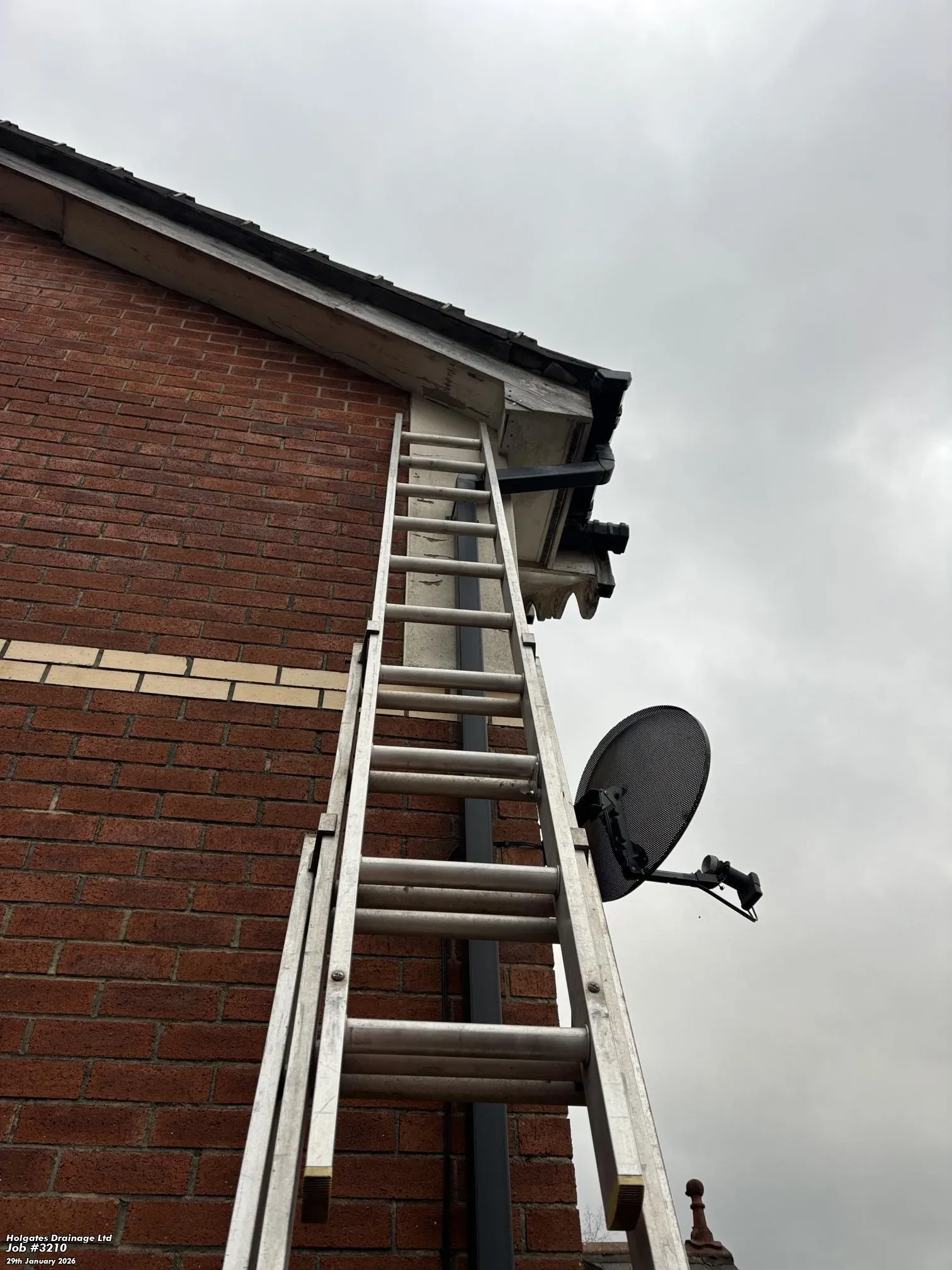
- Safe Roof Access & Inspection: We pitch our extension ladders or roof ladders safely to inspect the entire perimeter of the panels, checking the tile profiles and making sure no live cables are hanging loose.
- Nest Clearance & Guano Removal: Before fitting any mesh, we rake out all twigs, nesting debris, and carcasses from beneath the panels. We also clear out the guttering run directly below the array, as pigeons always knock moss and droppings down into the gutter channel.
- Biocide Washdown: Dried pigeon guano carries harmful bacteria and fungal spores, plus biting bird mites. We treat the area under and around the panels with a professional biocide spray to neutralise pathogens and kill off lingering parasites.
- Non-Penetrating Mesh Installation: We cut and profile the black PVC-coated galvanised steel mesh to match the exact contours of your roof tiles or slates, securing it every 25cm–30cm with UV-stabilised polycarbonate solar clips and corner ties.
- Site Clean & Waste Disposal: All bagged guano and nesting waste is removed from your property and disposed of legally off-site as controlled waste, leaving your patio, driveway, and gutters clean.
Related Services & Guides
Solar Panel Bird Proofing in Blackburn
Stop pigeons nesting under your solar panels in Blackburn. Professional mesh installation and guano cleaning to protect your system. Call Pest Medic.
How Much Does Pest Control Cost in the UK?
Find out what affects UK pest control prices, from council call-outs to private treatments, follow-up visits, and permanent entry-point proofing.
Are Pest Control Treatments Safe for Pets?
Find out how professional pest technicians protect dogs, cats, and children using lockable bait boxes, HSE-approved sprays, and safe drying times.
How Do Rats Get Into Houses Through Drains?
Find out how brown rats use broken clay pipes and missing drain bungs to enter cavity walls, and when a CCTV survey and rat blocker will stop them.
How to Tell if You Have Rats or Mice Under Floorboards
Hearing noises beneath the floor? Learn how to tell rats and mice apart using practical signs like dropping size, scratching sounds, and greasy rub marks.
Why Do Shop-Bought Mouse Traps and Poisons Fail?
Find out why DIY mouse traps and hardware-store poisons rarely clear a terrace house infestation, and why sealing 5mm entry gaps is the real fix.
What Are the UK Laws on Trapping Grey Squirrels?
Learn the UK legal rules on trapping invasive grey squirrels, why live release is illegal, and how to check for protected bats before starting loft work.
How Much Damage Can Squirrels Do in a Loft?
Learn what damage grey squirrels cause inside roof spaces, from chewed electrical wiring and torn loft insulation to gnawed roof timbers and soffits.
Why Should You Never Block Up a Wasp Nest Hole?
Blocking an active wasp hole with silicone or foam forces angry wasps to chew through internal plasterboard. Learn how professional lance treatments work.
How Do You Prepare a Room for Bed Bug Treatment?
Learn how to prepare your rooms before a professional bed bug visit, including how to bag laundry safely and clear furniture without spreading eggs.
How to Spot Cockroaches Behind Kitchen Appliances
Learn how to check behind fridges, dishwashers, and kickboards for cockroach droppings, egg cases, and musty smells in your home or commercial kitchen.
Why Am I Still Seeing Fleas After a Room Spray?
Learn why dormant flea cocoons hatch days after a professional spray, how long full eradication takes, and why you must wait to vacuum.
Bird Spikes vs Tensioned Wire: Which Works Best?
Compare stainless steel bird spikes and tensioned wire systems. Learn how bird species, roosting pressure, and ledge styles determine the right deterrent.
Can Pigeons Under Solar Panels Cause Bird Mites Inside?
Learn how pigeons nesting under solar panels bring biting bird mites into upstairs bedrooms, and why nest removal and sanitisation must happen with meshing.
Why Is Cleaning Dried Pigeon Droppings Yourself Risky?
Learn why sweeping dry pigeon guano in lofts or on balconies releases harmful airborne spores, and how biocide damping down keeps your home safe.
Do Small Businesses Need a Pest Control Contract?
Weigh up one-off emergency call-outs against routine pest control contracts. Learn how regular checks catch drain defects and insects before stock is ruined.
How Many Visits Does Mouse Control Take?
Find out why clearing a mouse infestation usually takes 2 to 3 visits, from checking tamper-resistant bait boxes to sealing 5mm entry gaps with copper mesh.
When Does Wasp Season Start and End in the UK?
Find out when UK wasp season starts and finishes, why late-summer wasps turn aggressive, and why old paper nests are never reused.
Do Bed Bugs Mean Throwing Your Mattress Away?
Learn why dumping a mattress with bed bugs often spreads eggs through your home, and how professional heat and seam treatments save your furniture.
German vs Oriental Cockroaches: What Is the Difference?
Learn how to tell German and Oriental cockroaches apart, from warm appliance motors to damp cellar drains, and why species matters for eradication.
How Do Pest Technicians Work Discreetly in Shops?
See how commercial pest technicians manage inspections, hidden bait stations, and out-of-hours treatments in shops and restaurants without alarming customers.
What Happens if a House Survey Finds Woodworm?
Found woodworm on a house survey? Learn how we check for active beetles, test timber moisture, and treat loft rafters or joists to satisfy lenders.
Why Do Silverfish Gather in Bathrooms and Kitchens?
Find out why damp plaster, leaky pipes, and high humidity attract silverfish and beetles, plus practical steps to seal gaps and clear infestations.
Get a Free Quote for Warranty-Safe Solar Proofing
Stop noisy pigeons waking you up at dawn and protect your roof from acidic guano. Speak directly to a local technician at Pest Medic today—we respond to standard enquiries within four hours.