Bird Spikes vs Tensioned Wire: Which Works Best?
Choosing between stainless steel anti-perch spikes and spring-tensioned post-and-wire comes down to three practical things on site: what bird species you are dealing with, how badly they want to stay on that ledge, and how visible the building edge is from the pavement below.
The Short Answer: What You Need to Know First
When Bird Spikes Win
Best for heavy pigeon or gull pressure, sheltered night-roosting ledges, recessed window sills, and commercial signage. If pigeons are already nesting or plastering a wall in droppings, spikes are the only reliable physical barrier short of full netting.
When Tensioned Wire Wins
Best for light-to-medium daytime perching on exposed parapet edges, stone copings, and smart shopfronts where appearance matters. It is virtually invisible from ground level and stops birds getting a stable foothold on the leading edge.
What Happens on the Day
Neither system can be stuck onto dirty stone. Most residential sill or chimney jobs take half a day, starting with scraping off dried guano, treating the masonry with a professional biocide spray, and letting the surface dry before fixing any hardware.
Why "Infestation Pressure" Decides the System Before Anything Else
When we turn up with the ladders to price a bird job, we do not just measure the length of the guttering or window ledge. We look at how committed the birds are to that specific spot. In the trade, we call this infestation pressure—and getting it wrong is the number one reason DIY bird proofing fails within a fortnight.
Feral pigeons are creatures of habit. If a pair is only landing on a sunny parapet wall for twenty minutes in the afternoon to look around, that is low pressure. They have no emotional attachment to the stonework; make it awkward for them to balance, and they will simply fly across the road.
If pigeons are sheltering out of the wind under an overhang at night, or they have already hatched chicks on a stone corbel above your front door, that is high pressure. They will fight hard to stay there. Fit tensioned wire onto a high-pressure roosting ledge and determined pigeons will simply push past the wire, or worse, use the stainless steel posts as a frame to wedge twigs behind and build a stronger nest.
1. Stainless Steel Anti-Perch Spikes: How They Work & Where They Belong
Despite how they look from a distance, professional bird spikes are not designed to impale or hurt birds. The upward-pointing wires have blunt tips. They work entirely by taking away the flat landing zone a pigeon or gull needs to fold its wings and settle its feet.
We use marine-grade stainless steel pins moulded into a UV-stabilised polycarbonate base strip. Cheap all-plastic spikes bought online go brittle after two winters in the Lancashire rain and snap off when a heavy woodpigeon lands on them, whereas UV-stabilised bases stay flexible and hold fast for years.
Common Trade Mistakes with Bird Spikes:
- Leaving a gap at the back wall: If a technician glues a narrow spike strip down the middle of a deep sill and leaves 75mm of bare stone behind it against the window frame, pigeons will squeeze in behind the pins and roost comfortably out of the wind.
- Not overhanging the front lip: Pigeons can grip the very front edge of a stonework drip-moulding with their toes. The front row of pins must sit right on or slightly overhang the leading edge of the masonry.
- Using pigeon spikes for gulls: Herring gulls and lesser black-backed gulls have much longer legs than pigeons. Standard 110mm pigeon spikes are too short—gulls can straddle over the top of them and build a bulky nest right on the tips. Gull ledges require heavy-duty, taller wide-splay gull spikes.
To fix spikes properly, we bond the polycarbonate base using a high-tack, weather-cured silicone adhesive onto clean, dry stone, uPVC, or painted metal, or screw them directly into timber fascia boards. Where access is tight—such as above shop signage or along cast-iron downpipes—spikes can be snapped down to the exact centimetre and contoured around curved pipe collars.
2. Tensioned Post-and-Wire: How It Works & Where It Excels
A tensioned wire system consists of slim stainless steel posts drilled and plugged into the stonework at regular intervals, with a fine 0.7mm or 0.9mm nylon-coated stainless steel wire stretched between them using small micro-springs.
When a pigeon or gull swoops in to land on the edge of a parapet wall, its feet hit the taught, spring-loaded wire first. Because the wire gives slightly and vibrates under their weight, the bird cannot lock its claws onto a solid surface. It feels unstable and immediately aborts the landing.
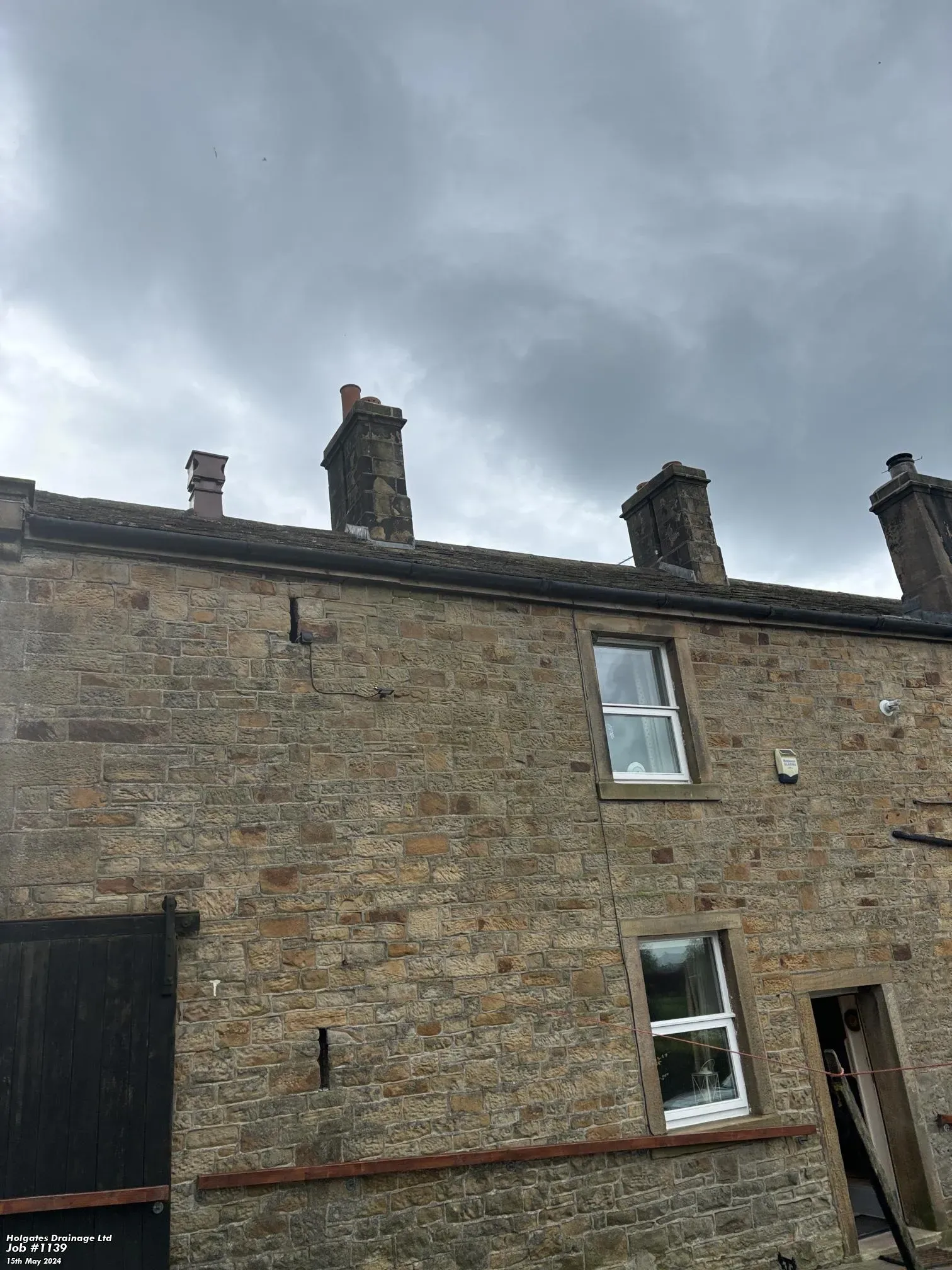
The biggest selling point of post-and-wire is aesthetics. On smart sandstone villas, heritage buildings across the Ribble Valley, or high-street bank fronts where architectural appearance matters, you cannot see the thin wire from the pavement two storeys below. It also sheds autumn leaves and twigs easily without catching wind-blown litter—something spikes can occasionally trap if there are overhanging sycamore or beech trees nearby.
However, installation takes more drilling and setup time than gluing down spike strips. Each anchor post must be drilled cleanly into solid brick, stone, or concrete using nylon rivet plugs, or riveted onto metal cladding. If the masonry is crumbling or heavily spalled, we have to assess whether the stone can take the lateral pull of the tensioned springs without cracking.
Head-to-Head Comparison: Spikes vs Tensioned Wire
Here is how we weigh up both systems during a site survey on domestic and commercial buildings:
| Building Feature / Factor | Stainless Steel Bird Spikes | Tensioned Post & Wire |
|---|---|---|
| Bird Pressure Level | Low, Medium, and High (including night roosts) | Low to Medium only (daytime perching) |
| Visibility from Ground | Slightly visible if looking straight up at low sills | Virtually invisible from street level |
| Best Building Locations | Sheltered window ledges, shop signs, pipework, gutters, camera housings | Exposed parapet walls, flat stone copings, ridge tiles, steel roof beams |
| Fixing Method | UV-stable adhesive bond, screws, or cable ties on pipes | Drilled masonry plugs, glue-on bases, or gutter clamps |
| Target Species | Feral pigeons and gulls (using species-specific pin heights) | Feral pigeons and gulls (using post heights matched to leg length) |
| Maintenance Access | Can catch wind-blown leaves in heavily wooded streets | Easy for window cleaners to reach past; sheds debris well |
Why Surface Prep Matters (And When Neither System Is Enough)
You cannot stick bird spikes onto pigeon droppings, moss, or flaking masonry paint. Before we fit a single strip of spikes or drill a wire post, we have to strip the ledge back to sound material. Pigeon guano is highly acidic and carries nasty airborne pathogens if scraped dry. We soak fouled ledges down with a professional biocide disinfectant first to kill bacteria and dampen the dust, scrape the waste into sealed bags for legal off-site disposal, and let the stone dry completely so the fixing silicone cures properly.
It is also worth being straight about where neither spikes nor wire will work. If you have pigeons nesting underneath roof-mounted solar panels, sticking spikes around the outside edge of the panels will not hold them out for long—pigeons will simply push sideways between the flexible pins to reach the warm, dry shelter underneath the glass. For solar arrays, we always fit rigid galvanised or PVC-coated steel mesh clipped directly to the panel frame with non-penetrating polycarbonate clips.
Equally, under UK wildlife law (including the Wildlife and Countryside Act 1981 and Defra general licences), physical proofing like spikes and tensioned wire is the preferred, non-lethal way to protect property hygiene. However, if there is an active nest with eggs or live chicks currently on the ledge, we have to inspect the timing carefully so we do not trap birds inside a void or breach legal protections.
Related Services & Guides
Bird Control, Spikes & Tensioned Wire in Blackburn
Professional bird proofing and pigeon spikes in Blackburn. We install humane spikes and tensioned wire to protect local properties. Call for a free quote.
How Much Does Pest Control Cost in the UK?
Find out what affects UK pest control prices, from council call-outs to private treatments, follow-up visits, and permanent entry-point proofing.
Are Pest Control Treatments Safe for Pets?
Find out how professional pest technicians protect dogs, cats, and children using lockable bait boxes, HSE-approved sprays, and safe drying times.
How Do Rats Get Into Houses Through Drains?
Find out how brown rats use broken clay pipes and missing drain bungs to enter cavity walls, and when a CCTV survey and rat blocker will stop them.
How to Tell if You Have Rats or Mice Under Floorboards
Hearing noises beneath the floor? Learn how to tell rats and mice apart using practical signs like dropping size, scratching sounds, and greasy rub marks.
Why Do Shop-Bought Mouse Traps and Poisons Fail?
Find out why DIY mouse traps and hardware-store poisons rarely clear a terrace house infestation, and why sealing 5mm entry gaps is the real fix.
What Are the UK Laws on Trapping Grey Squirrels?
Learn the UK legal rules on trapping invasive grey squirrels, why live release is illegal, and how to check for protected bats before starting loft work.
How Much Damage Can Squirrels Do in a Loft?
Learn what damage grey squirrels cause inside roof spaces, from chewed electrical wiring and torn loft insulation to gnawed roof timbers and soffits.
Why Should You Never Block Up a Wasp Nest Hole?
Blocking an active wasp hole with silicone or foam forces angry wasps to chew through internal plasterboard. Learn how professional lance treatments work.
How Do You Prepare a Room for Bed Bug Treatment?
Learn how to prepare your rooms before a professional bed bug visit, including how to bag laundry safely and clear furniture without spreading eggs.
How to Spot Cockroaches Behind Kitchen Appliances
Learn how to check behind fridges, dishwashers, and kickboards for cockroach droppings, egg cases, and musty smells in your home or commercial kitchen.
Why Am I Still Seeing Fleas After a Room Spray?
Learn why dormant flea cocoons hatch days after a professional spray, how long full eradication takes, and why you must wait to vacuum.
Does Bird Proofing Void Your Solar Panel Warranty?
Find out how professional non-penetrating solar clips secure bird mesh without drilling into your panels, keeping your manufacturer warranty fully valid.
Can Pigeons Under Solar Panels Cause Bird Mites Inside?
Learn how pigeons nesting under solar panels bring biting bird mites into upstairs bedrooms, and why nest removal and sanitisation must happen with meshing.
Why Is Cleaning Dried Pigeon Droppings Yourself Risky?
Learn why sweeping dry pigeon guano in lofts or on balconies releases harmful airborne spores, and how biocide damping down keeps your home safe.
Do Small Businesses Need a Pest Control Contract?
Weigh up one-off emergency call-outs against routine pest control contracts. Learn how regular checks catch drain defects and insects before stock is ruined.
How Many Visits Does Mouse Control Take?
Find out why clearing a mouse infestation usually takes 2 to 3 visits, from checking tamper-resistant bait boxes to sealing 5mm entry gaps with copper mesh.
When Does Wasp Season Start and End in the UK?
Find out when UK wasp season starts and finishes, why late-summer wasps turn aggressive, and why old paper nests are never reused.
Do Bed Bugs Mean Throwing Your Mattress Away?
Learn why dumping a mattress with bed bugs often spreads eggs through your home, and how professional heat and seam treatments save your furniture.
German vs Oriental Cockroaches: What Is the Difference?
Learn how to tell German and Oriental cockroaches apart, from warm appliance motors to damp cellar drains, and why species matters for eradication.
How Do Pest Technicians Work Discreetly in Shops?
See how commercial pest technicians manage inspections, hidden bait stations, and out-of-hours treatments in shops and restaurants without alarming customers.
What Happens if a House Survey Finds Woodworm?
Found woodworm on a house survey? Learn how we check for active beetles, test timber moisture, and treat loft rafters or joists to satisfy lenders.
Why Do Silverfish Gather in Bathrooms and Kitchens?
Find out why damp plaster, leaky pipes, and high humidity attract silverfish and beetles, plus practical steps to seal gaps and clear infestations.
Ready to Stop Pigeons or Gulls Fouling Your Building?
Speak directly to a local technician at Pest Medic. We respond to standard enquiries within four hours and provide free, no-obligation quotes across Blackburn and Lancashire.