Why Am I Still Seeing Fleas After a Room Spray?
Spotting live fleas hopping on your socks three, five, or even ten days after a professional spray can make your heart sink. The short, honest answer is: the treatment hasn't failed. You are witnessing what we in the trade call the "pupal window"—the final stage of the infestation where dormant cocoons hatch out and walk onto the treated carpet to die.
The Golden Rule Right Now
Do not vacuum, steam clean, or mop your floors for at least 10 to 14 days after the technician leaves. Walking around the rooms normally will actually help speed up the clear-out.
What Is the "Pupal Window" and Why Can't Sprays Penetrate Cocoons?
When we carry out a professional flea treatment, we apply two distinct types of product across your carpets, rugs, and skirting boards. The first is a professional knockdown insecticide that kills adult fleas and crawling larvae on contact. The second is an Insect Growth Regulator (IGR), which acts like birth control for insects, stopping eggs and larvae from developing into breeding adults.
However, right before a flea larva turns into an adult, it spins a watertight, silk-like cocoon deep at the base of your carpet pile or down between timber floorboard gaps. Because this cocoon is completely sealed and coated in microscopic household dust, no liquid biocide or gas legally approved for use in UK homes can soak through that shell.
Inside that cocoon, the young flea waits safely until it detects two specific triggers: body heat and the physical vibration of footsteps on the floor. When you walk back into the room after the spray has dried, your footsteps trick those cocoons into hatching. The newly emerged fleas jump out looking for a feed, land on the invisible residual chemical coat we left on the carpet fibres, and die within a few hours.
Realistic Day-by-Day Eradication Timeline
Why You Must Leave the Mop and Vacuum in the Cupboard
When you are still getting bitten on the ankles four days after paying a pest controller, your natural instinct is to grab the vacuum cleaner or steam mop every inch of the house. Doing this is the single biggest reason treatments fail.
Professional residual sprays bond microscopically to carpet fibres and timber surfaces. If you mop laminate or stone floors with bleach or floor cleaner, you wash the active chemical straight down the sink. If you vacuum daily with a strong beater-bar head, you strip the treated top layer of dust and fibres away before the emerging fleas have a chance to crawl through it.
Wait a minimum of 10 to 14 days before vacuuming. When you finally do vacuum, empty the cylinder immediately into an outside wheelie bin in a tied plastic bag so any sucked-up fleas cannot climb back out.
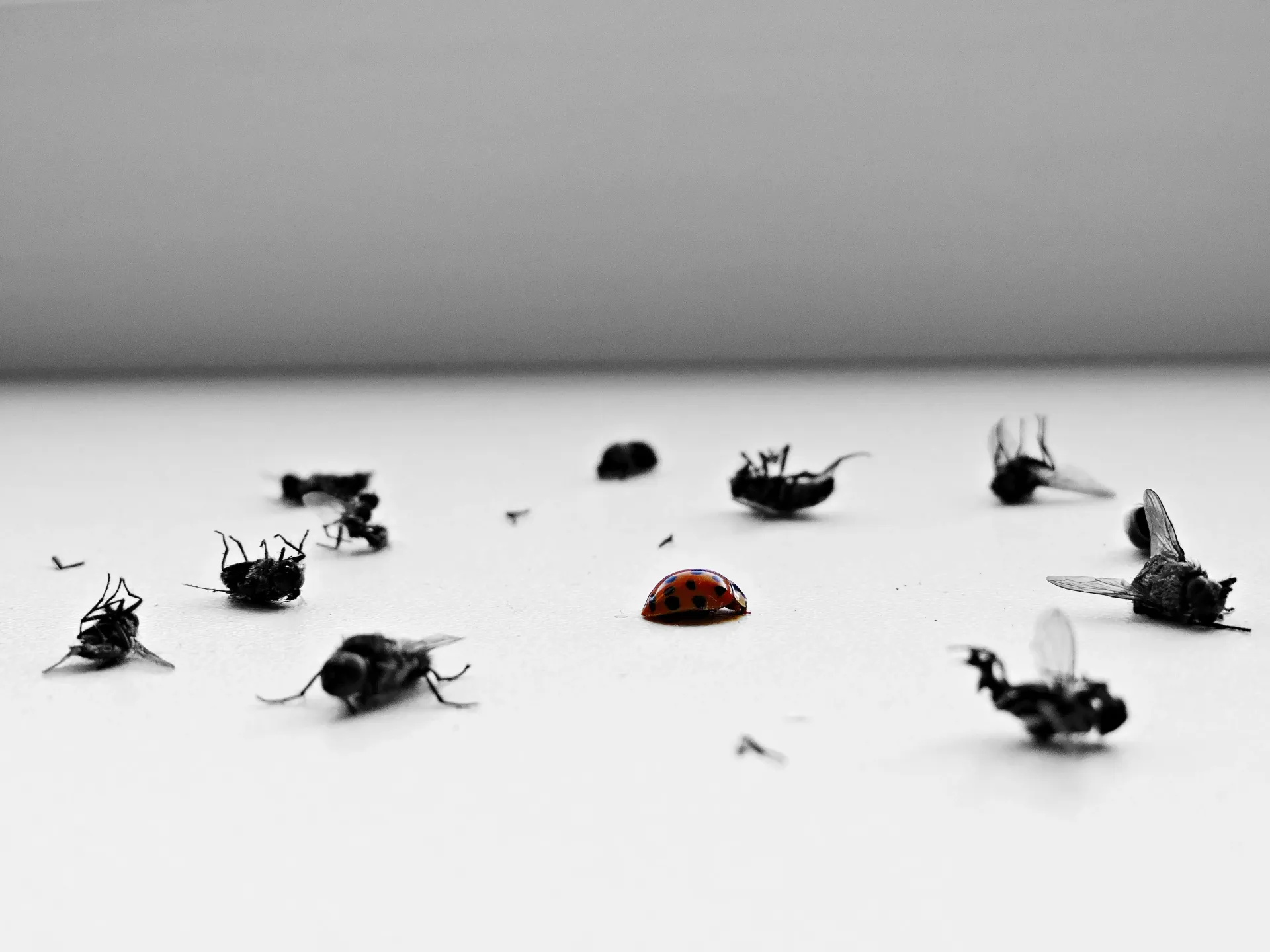
Residual insect biocides continue knocking down emerging insects for weeks after application—provided the treated surface is not washed or vacuumed away prematurely.
How to Help Clear the Remaining Cocoons Faster
Instead of cleaning, you actually want to encourage every single dormant cocoon to hatch while the chemical barrier on your floor is at peak strength. Here is what we advise homeowners and tenants across Lancashire to do during the first fortnight:
- Walk in every room daily: Don't shut the door on a treated spare bedroom or box room. Spend two minutes a day walking heavily around the edges of every room, beside the bed, and near pet sleeping spots to create vibrations.
- Keep the central heating ticking over: Warmth and humidity tell flea pupae that a host is nearby. Keeping rooms reasonably warm encourages cocoons to open now rather than lying dormant for months.
- Treat your pets with vet-strength spot-on or tablets: Supermarket flea collars and cheap pipettes often struggle against established household fleas. Speak to your vet for a prescription treatment, and let your treated dog or cat walk around the house normally once the spray is dry.
- Check beneath floorboards or in lofts for wild hosts: In older stone properties or red-brick terraces with deep sub-floor voids, lingering fleas occasionally come from an untreated source like a feral cat under the decking, a bird nest in the eaves, or rodents beneath the floorboards.
When Should You Call Us Back for a Follow-Up?
Seeing diminishing numbers of fleas during the first 14 days is normal. However, if you have left the floors untouched, treated your pets with vet-approved products, and are still seeing heavy numbers of lively fleas jumping past the 21-day mark, a heavy infestation may require a secondary booster spray.
Particularly in multi-pet households or empty rental properties where cocoons have built up undisturbed for months, a second application after the initial pupal window closes wipes out the final stragglers.
Related Services & Guides
Flea Control & Fumigation in Blackburn
Professional flea control and fumigation in Blackburn. Effective residual treatments and IGRs to clear infestations in homes and businesses. Local experts.
How Much Does Pest Control Cost in the UK?
Find out what affects UK pest control prices, from council call-outs to private treatments, follow-up visits, and permanent entry-point proofing.
Are Pest Control Treatments Safe for Pets?
Find out how professional pest technicians protect dogs, cats, and children using lockable bait boxes, HSE-approved sprays, and safe drying times.
How Do Rats Get Into Houses Through Drains?
Find out how brown rats use broken clay pipes and missing drain bungs to enter cavity walls, and when a CCTV survey and rat blocker will stop them.
How to Tell if You Have Rats or Mice Under Floorboards
Hearing noises beneath the floor? Learn how to tell rats and mice apart using practical signs like dropping size, scratching sounds, and greasy rub marks.
Why Do Shop-Bought Mouse Traps and Poisons Fail?
Find out why DIY mouse traps and hardware-store poisons rarely clear a terrace house infestation, and why sealing 5mm entry gaps is the real fix.
What Are the UK Laws on Trapping Grey Squirrels?
Learn the UK legal rules on trapping invasive grey squirrels, why live release is illegal, and how to check for protected bats before starting loft work.
How Much Damage Can Squirrels Do in a Loft?
Learn what damage grey squirrels cause inside roof spaces, from chewed electrical wiring and torn loft insulation to gnawed roof timbers and soffits.
Why Should You Never Block Up a Wasp Nest Hole?
Blocking an active wasp hole with silicone or foam forces angry wasps to chew through internal plasterboard. Learn how professional lance treatments work.
How Do You Prepare a Room for Bed Bug Treatment?
Learn how to prepare your rooms before a professional bed bug visit, including how to bag laundry safely and clear furniture without spreading eggs.
How to Spot Cockroaches Behind Kitchen Appliances
Learn how to check behind fridges, dishwashers, and kickboards for cockroach droppings, egg cases, and musty smells in your home or commercial kitchen.
Bird Spikes vs Tensioned Wire: Which Works Best?
Compare stainless steel bird spikes and tensioned wire systems. Learn how bird species, roosting pressure, and ledge styles determine the right deterrent.
Does Bird Proofing Void Your Solar Panel Warranty?
Find out how professional non-penetrating solar clips secure bird mesh without drilling into your panels, keeping your manufacturer warranty fully valid.
Can Pigeons Under Solar Panels Cause Bird Mites Inside?
Learn how pigeons nesting under solar panels bring biting bird mites into upstairs bedrooms, and why nest removal and sanitisation must happen with meshing.
Why Is Cleaning Dried Pigeon Droppings Yourself Risky?
Learn why sweeping dry pigeon guano in lofts or on balconies releases harmful airborne spores, and how biocide damping down keeps your home safe.
Do Small Businesses Need a Pest Control Contract?
Weigh up one-off emergency call-outs against routine pest control contracts. Learn how regular checks catch drain defects and insects before stock is ruined.
How Many Visits Does Mouse Control Take?
Find out why clearing a mouse infestation usually takes 2 to 3 visits, from checking tamper-resistant bait boxes to sealing 5mm entry gaps with copper mesh.
When Does Wasp Season Start and End in the UK?
Find out when UK wasp season starts and finishes, why late-summer wasps turn aggressive, and why old paper nests are never reused.
Do Bed Bugs Mean Throwing Your Mattress Away?
Learn why dumping a mattress with bed bugs often spreads eggs through your home, and how professional heat and seam treatments save your furniture.
German vs Oriental Cockroaches: What Is the Difference?
Learn how to tell German and Oriental cockroaches apart, from warm appliance motors to damp cellar drains, and why species matters for eradication.
How Do Pest Technicians Work Discreetly in Shops?
See how commercial pest technicians manage inspections, hidden bait stations, and out-of-hours treatments in shops and restaurants without alarming customers.
What Happens if a House Survey Finds Woodworm?
Found woodworm on a house survey? Learn how we check for active beetles, test timber moisture, and treat loft rafters or joists to satisfy lenders.
Why Do Silverfish Gather in Bathrooms and Kitchens?
Find out why damp plaster, leaky pipes, and high humidity attract silverfish and beetles, plus practical steps to seal gaps and clear infestations.
Need Professional Flea Eradication or Post-Spray Advice?
Whether you have tried shop-bought aerosols without luck or have questions about an ongoing treatment across Blackburn and Lancashire, speak directly to our CPCA-accredited technicians for honest, practical help.