Why Do Shop-Bought Mouse Traps and Poisons Fail?
Most homeowners spend £30 to £50 at the hardware shop on plastic snap traps and packets of grain before calling us out. Catching one or two mice in the kitchen cupboard feels like progress, yet two weeks later you still hear scratching behind the skirting boards at night. Here is the honest, practical reason why DIY products rarely clear an established house mouse problem—and what actually fixes it.
The Short Answer: What You Need to Know
Shop-bought mouse treatments fail for three simple reasons: retail poisons are legally restricted to very low strengths, cheap traps trigger behavioural shyness, and neither stops new mice walking in from next door.
- ✓ Strength limits: Under UK Health and Safety Executive (HSE) rules, amateur-use poisons sold in hardware stores contain far lower active concentrations than professional-grade rodenticides.
- ✓ Shared sub-floor voids: In older stone-built terraces across places like Darwen and Haslingden, unsealed rubble foundations let mice travel freely under an entire row of houses.
- ✓ The 5mm rule: A juvenile house mouse can squeeze through a gap the width of a biro pen (5mm). If you do not seal the entry points around pipe collars and airbricks, trapping is just bailing water out of a leaky boat.
1. Why Hardware-Store Mouse Poisons Rarely Clear an Infestation
Walk into any DIY shed or garden centre and you will see shelves of pre-baited plastic boxes and small sachets of treated wheat. A few years ago, UK statutory regulations changed how rodenticides are sold to protect pets, children, and local wildlife from accidental poisoning.
Under HSE stewardship rules, products licensed for amateur domestic use are restricted in both pack size and chemical potency. More importantly, most shop-bought baits use older first-generation anticoagulants or low-dose grain formulations that many UK mouse populations have developed genetic resistance to—or simply ignore when better food is available in your kitchen.
House mice are erratic, sporadic feeders. Unlike rats, which find a food source and gorge on it, a single mouse will visit twenty or thirty different spots a night, nibbling a tiny crumb at each location. If you put down a dry block of cheap wax bait behind a kickboard while there are toaster crumbs, dog biscuits, or cooking grease nearby, the mice will bypass the bait completely.

Palatability vs. Kitchen Scraps
Mice prefer high-calorie, high-fat foods like nuts, seeds, and chocolate. When we carry out a treatment, we use professional contact gels, high-calorie paste formulations, or targeted tracking dusts tailored to what the colony is already feeding on—locked inside tamper-resistant boxes anchored safely away from children and pets.
2. Trap Shyness and Poor Placement
Traditional wooden or lightweight plastic snap traps can catch individual mice, provided they are set with a hair trigger and placed flush against a wall. Where DIY trapping falls apart is human scent, weak springs, and placement in the open floor space.
Mice have terrible eyesight and rely on their whiskers brushing against vertical surfaces—such as skirting boards, kitchen plinths, and pipe boxing—to navigate in the dark. We spot these constant runways straight away by checking for dark, greasy sebum rub marks smeared along timber edges.
When a homeowner sets a cheap trap in the middle of the pantry floor or loads too much peanut butter onto the treadle, a mouse will often lick the bait off without setting it off, or get clipped on the tail by a weak spring. Once a mouse survives a near-miss, it becomes trap-shy. It will actively avoid that mechanism and walk straight over it for the rest of its life.
3. The Terraced House Problem: Shared Sub-Floor Voids
Across Lancashire, a huge portion of our domestic call-outs are in pre-1919 stone-built and brick terraced properties. Beneath the ground-floor floorboards of these homes sits a suspended timber floor over an earth or rubble sub-void.
Over a century of plumbing upgrades, central heating pipe installations, and settling brickwork leaves gaps in the party walls below floor level. That means the sub-floor void under your living room is connected directly to your neighbours on both sides—often running the entire length of the street.
If you lay traps in your kitchen cupboard, you are only catching the scouts that climb up into your living space. Meanwhile, the main breeding nest remains warm inside the fibreglass loft insulation or sub-floor void next door. Until you block the physical holes allowing them up through your floorboards, a new mouse will simply replace the one you trapped yesterday.
Sealing the 5mm Entry Gaps
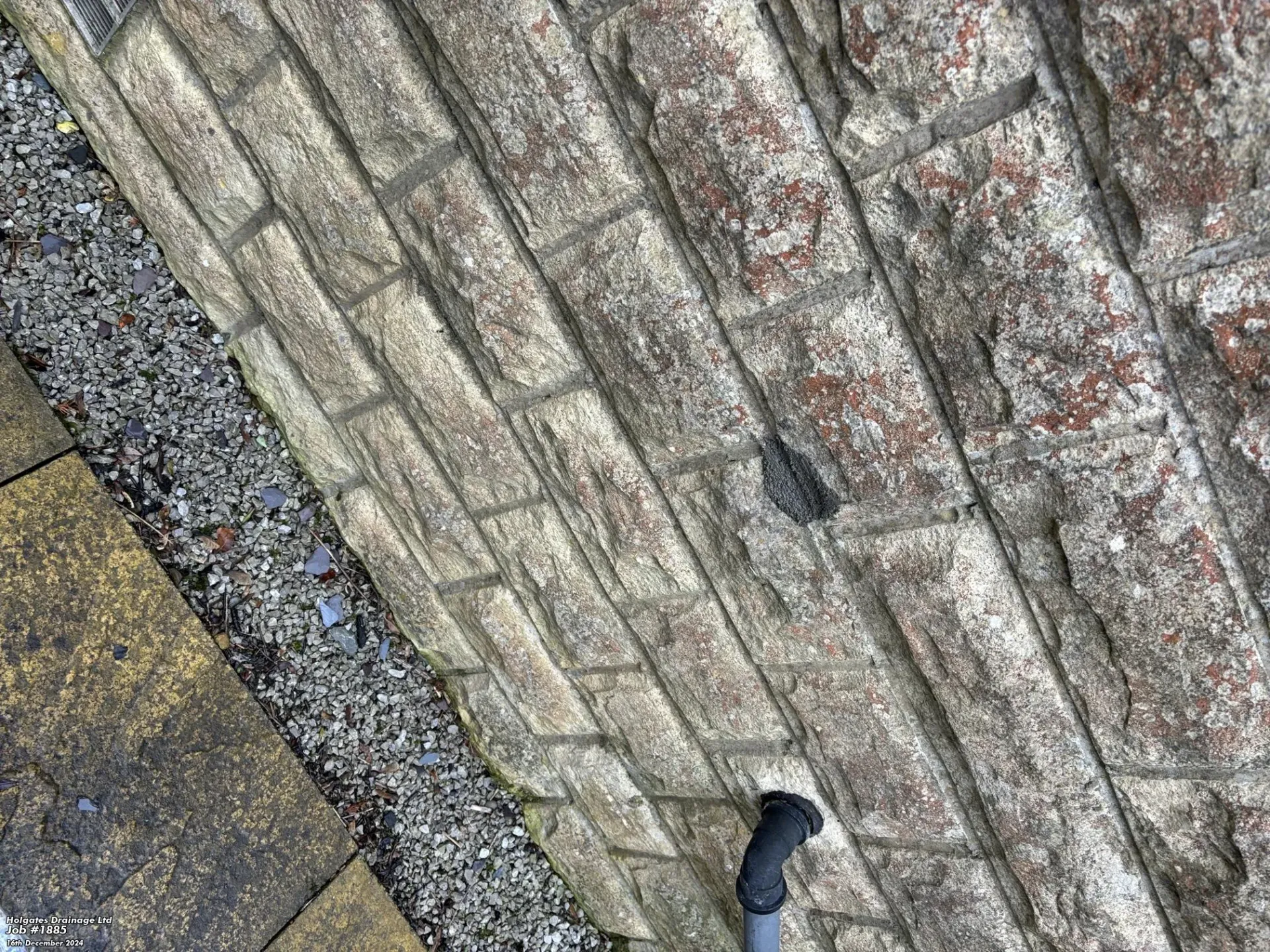
Expanding foam from a DIY store does not stop mice; they chew through cured polyurethane foam in minutes to reopen their runway. Our technicians pull back kickboards, lift floor hatches, and pack every 5mm gap around radiator pipes, waste outlets, and weep vents using heavy-duty Stuf-fit copper wire mesh, stainless steel mesh, and rodent-proof sealing compounds.
4. Hidden Risks of Uncontrolled Poisoning
One of the biggest headaches with loose packets of shop-bought grain is bait translocation. Mice hoard food. They will fill their cheeks with loose poisoned grain from an open tray and carry it inside your cavity walls, under the bath, or even drop it behind kitchen appliances where a dog or toddler can reach it.
Worse still, if you poison a mouse colony inside a wall cavity without sealing the internal access points or mapping their harbourage first, mice will die inside inaccessible voids behind plasterboard or under tiled floors. Within days, you are left with a sour decomposition smell and a secondary infestation of blowflies emerging around your light fittings.
When our CPCA-accredited technicians attend a property, we do not just throw bait down and walk out. We wear protective overshoes, use inspection torches and endoscope cameras to inspect cavity walls and beneath baths, apply non-toxic fluorescent tracking dust to confirm exact entry holes, and focus heavily on physical exclusion proofing so the problem is shut out permanently.
What to Expect When You Call Pest Medic
With over 155 years of combined technician experience operating from our base in Ramsgreave, Blackburn, we provide honest, upfront quotes with no hidden extras. We inspect your whole property from sub-floor airbricks up to the loft insulation, remove active mice safely, and seal the structural gaps so they cannot return.
Related Services & Guides
Practical information on rodent proofing and professional eradication across Blackburn & Lancashire and Lancashire.
Mouse Control & Prevention in Blackburn
Professional mouse control and proofing in Blackburn. Rapid removal, entry point sealing, and prevention for local homes and businesses. Call Pest Medic.
How Much Does Pest Control Cost in the UK?
Find out what affects UK pest control prices, from council call-outs to private treatments, follow-up visits, and permanent entry-point proofing.
Are Pest Control Treatments Safe for Pets?
Find out how professional pest technicians protect dogs, cats, and children using lockable bait boxes, HSE-approved sprays, and safe drying times.
How Do Rats Get Into Houses Through Drains?
Find out how brown rats use broken clay pipes and missing drain bungs to enter cavity walls, and when a CCTV survey and rat blocker will stop them.
How to Tell if You Have Rats or Mice Under Floorboards
Hearing noises beneath the floor? Learn how to tell rats and mice apart using practical signs like dropping size, scratching sounds, and greasy rub marks.
What Are the UK Laws on Trapping Grey Squirrels?
Learn the UK legal rules on trapping invasive grey squirrels, why live release is illegal, and how to check for protected bats before starting loft work.
How Much Damage Can Squirrels Do in a Loft?
Learn what damage grey squirrels cause inside roof spaces, from chewed electrical wiring and torn loft insulation to gnawed roof timbers and soffits.
Why Should You Never Block Up a Wasp Nest Hole?
Blocking an active wasp hole with silicone or foam forces angry wasps to chew through internal plasterboard. Learn how professional lance treatments work.
How Do You Prepare a Room for Bed Bug Treatment?
Learn how to prepare your rooms before a professional bed bug visit, including how to bag laundry safely and clear furniture without spreading eggs.
How to Spot Cockroaches Behind Kitchen Appliances
Learn how to check behind fridges, dishwashers, and kickboards for cockroach droppings, egg cases, and musty smells in your home or commercial kitchen.
Why Am I Still Seeing Fleas After a Room Spray?
Learn why dormant flea cocoons hatch days after a professional spray, how long full eradication takes, and why you must wait to vacuum.
Bird Spikes vs Tensioned Wire: Which Works Best?
Compare stainless steel bird spikes and tensioned wire systems. Learn how bird species, roosting pressure, and ledge styles determine the right deterrent.
Does Bird Proofing Void Your Solar Panel Warranty?
Find out how professional non-penetrating solar clips secure bird mesh without drilling into your panels, keeping your manufacturer warranty fully valid.
Can Pigeons Under Solar Panels Cause Bird Mites Inside?
Learn how pigeons nesting under solar panels bring biting bird mites into upstairs bedrooms, and why nest removal and sanitisation must happen with meshing.
Why Is Cleaning Dried Pigeon Droppings Yourself Risky?
Learn why sweeping dry pigeon guano in lofts or on balconies releases harmful airborne spores, and how biocide damping down keeps your home safe.
Do Small Businesses Need a Pest Control Contract?
Weigh up one-off emergency call-outs against routine pest control contracts. Learn how regular checks catch drain defects and insects before stock is ruined.
How Many Visits Does Mouse Control Take?
Find out why clearing a mouse infestation usually takes 2 to 3 visits, from checking tamper-resistant bait boxes to sealing 5mm entry gaps with copper mesh.
When Does Wasp Season Start and End in the UK?
Find out when UK wasp season starts and finishes, why late-summer wasps turn aggressive, and why old paper nests are never reused.
Do Bed Bugs Mean Throwing Your Mattress Away?
Learn why dumping a mattress with bed bugs often spreads eggs through your home, and how professional heat and seam treatments save your furniture.
German vs Oriental Cockroaches: What Is the Difference?
Learn how to tell German and Oriental cockroaches apart, from warm appliance motors to damp cellar drains, and why species matters for eradication.
How Do Pest Technicians Work Discreetly in Shops?
See how commercial pest technicians manage inspections, hidden bait stations, and out-of-hours treatments in shops and restaurants without alarming customers.
What Happens if a House Survey Finds Woodworm?
Found woodworm on a house survey? Learn how we check for active beetles, test timber moisture, and treat loft rafters or joists to satisfy lenders.
Why Do Silverfish Gather in Bathrooms and Kitchens?
Find out why damp plaster, leaky pipes, and high humidity attract silverfish and beetles, plus practical steps to seal gaps and clear infestations.
Hear Scratching Behind the Walls or Under Floorboards?
Get your home or commercial premises properly inspected and mouse-proofed by Pest Medic. We provide free, upfront quotes and fast local dispatch within 20 miles of our Ramsgreave base.