Why Do Silverfish Gather in Bathrooms and Kitchens?
Switching on the bathroom light at night to see metallic, tear-shaped insects darting across the tiles is a clear warning sign. They are not drawn to dirt—they are there because hidden moisture is feeding a quiet infestation behind your skirting boards and bath panels.
The Short Answer: What You Need to Know Right Away
Silverfish, plaster beetles, and tiny booklice (psocids) cannot survive unless relative humidity stays above 75%. If you keep finding them trapped in the sink or scuttling under kitchen kickboards, you almost certainly have trapped condensation, a weeping pipe collar, or damp sub-floor timbers.
- ▪ Why sprays fail: Supermarket aerosols only kill the few insects out in the open while leaving eggs safe inside damp wall voids.
- ▪ How we treat it: A professional crack-and-crevice residual gel and insecticidal dust treatment typically takes 45 to 60 minutes.
- ▪ How to keep them gone: Sealing unproofed plumbing entry points and dropping room humidity stops the breeding cycle permanently.
Why Moisture and Starch Attract Crawling Insects
Unlike flies or cockroaches that look for food scraps, silverfish and moisture-loving beetles have a very specific diet. They feed on polysaccharides—starches, cellulose, and natural glues—and microscopic mould spores that grow on damp surfaces.
Bathrooms, utility rooms, and kitchens provide everything they need in a single enclosed space. Behind your tiling or skirting boards, you have damp plaster, cellulose in wallpaper backing, old starch-based pastes, and cardboard packaging stored under the sink. When steam from showers or boiling pans condenses and runs down behind poorly sealed silicone, it creates a dark, humid microclimate where silverfish can live for up to three years.
Alongside silverfish, we frequently uncover minute plaster beetles and pale psocids (often called booklice) grazing on the fine surface mildew that forms on damp timber battens and unventilated plasterboard.
What Happens Under the Floorboards
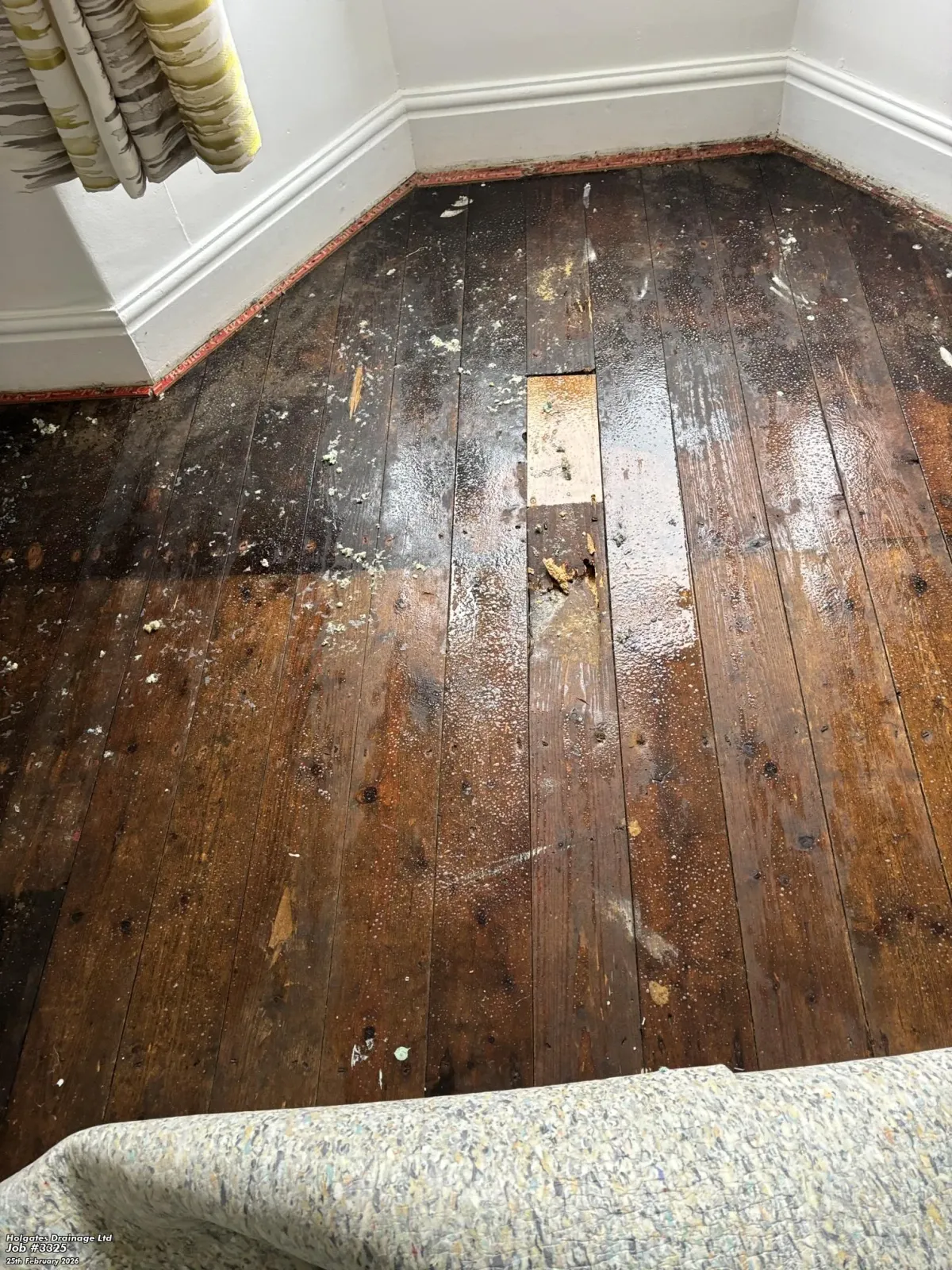
When we pull back floor coverings or pop off a plastic bath panel, this is often what we find. A tiny, unnoticed drip from a radiator valve, waste pipe collar, or shower seal soaks into the floorboards.
In older pre-1919 stone-built terraced houses across Darwen and Haslingden, unsealed rubble foundations and shared sub-floor voids hold onto ground moisture, giving nocturnal insects an undisturbed highway between rooms.
How We Inspect and Diagnose the Root Cause
Turning up and spraying the bathroom lino will not solve a silverfish problem. When our technicians inspect a property, we bring inspection torches, moisture meters, and non-toxic monitoring traps to locate the exact harbourage zones.
We start by checking the places you cannot easily see: unscrewing wooden bath panels, unclipping kitchen kickboards beneath the dishwasher and washing machine, and checking the boxing-in around soil stacks. Silverfish leave behind tiny, pepper-like black droppings, shed translucent skins, and irregular scraped patches on wallpaper edges or cardboard boxes.
Because dampness can also attract wood-boring beetles into structural joists, we check the moisture content of exposed sub-floor timbers to make sure you are only dealing with surface-grazing insects rather than active woodworm. If you suspect timber damage, you can read more on our specialist insect and woodworm treatment page.
Targeted Gel, Dust, and Residual Treatments
Watery sprays wash straight off bathroom tiles or get mopped away within days. To break the life cycle of silverfish and damp beetles, we put treatments directly into the dry, dark cracks where they hide during the day.
1. Insecticidal Dusts
Using fine-nozzle dusters, we puff professional-grade waterproof insecticidal dust deep into dead voids under bath tubs, behind kitchen units, and into hollow stud walls where liquids should not be sprayed near 13A wiring.
2. Crack & Crevice Gels
We apply microscopic spots of specialist silverfish bait gel along skirting joints, behind loose tiles, and inside airing cupboards. Nocturnal insects feed on the starch-based matrix and carry the active ingredient back to their harbourage.
3. Residual Bands
Where insects are emerging from floor edges, we apply a low-odour residual micro-encapsulated spray along the floor-to-wall junction. Once dry, it stays active for weeks, catching newly hatched nymphs.
We wear protective overshoes inside your home and ask that children and pets stay out of the treated room until any surface applications are completely dry—usually around one to two hours.
Identifying Damp Beetle Species
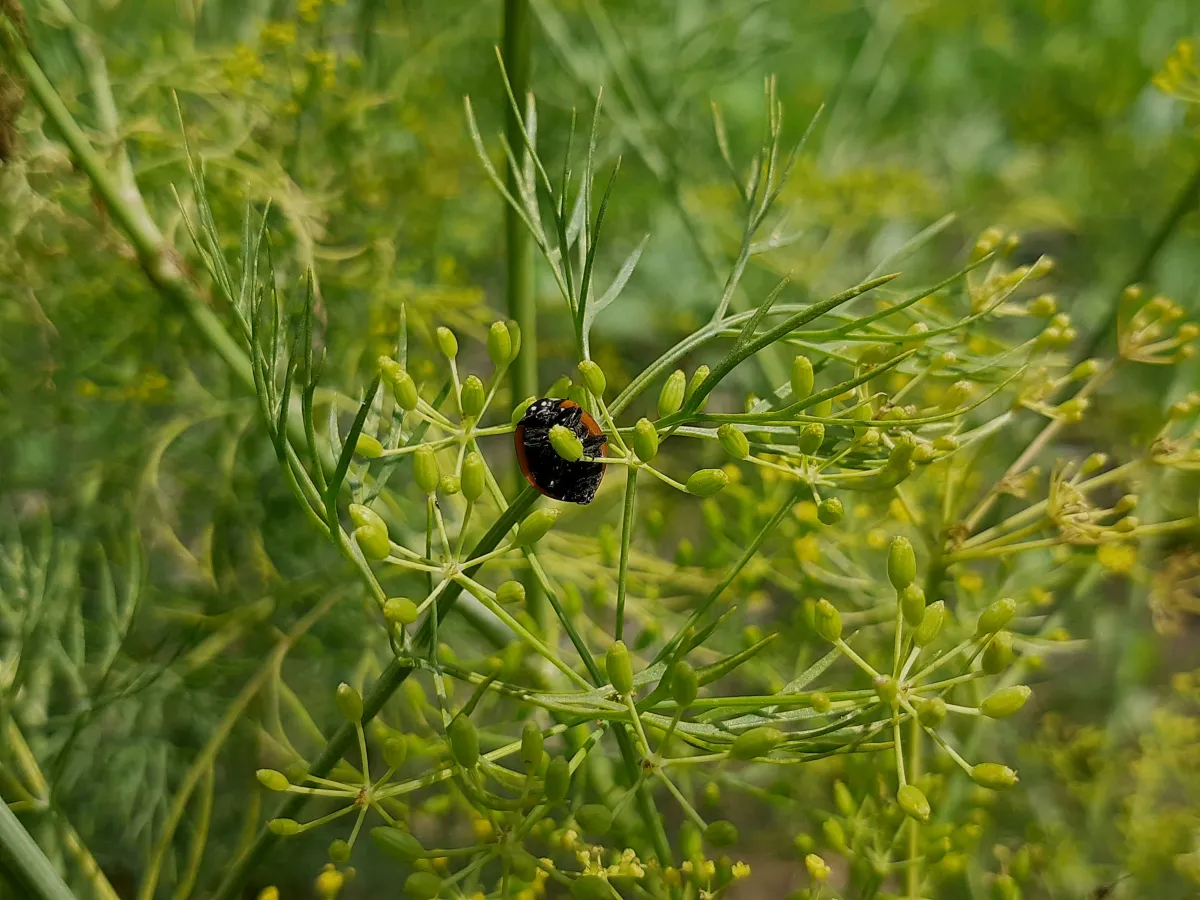
Homeowners often mistake small scavenging beetles for bed bugs or woodworm. Moisture beetles, fungus beetles, and carpet beetles frequently turn up alongside silverfish in airing cupboards and utility rooms.
Correctly identifying the insect on the first visit means we use the exact biocide or insect growth regulator (IGR) required, avoiding unnecessary broad-spectrum chemicals in your living spaces.
Simple Proofing and Ventilation Steps That Stop Them Returning
Even the strongest professional insecticide will eventually wear off if your bathroom or kitchen remains damp. Once we have knocked down the active insect population, taking four straightforward steps will make your rooms inhospitable to future stragglers:
-
01
Seal gaps around plumbing collars: Where copper or plastic radiator pipes, sink wastes, and toilet feeds pass through floorboards or plaster, there is almost always a 5mm to 10mm gap. Packing larger voids with copper wire mesh and sealing the collar neatly with flexible sanitary silicone blocks the main doorway from the sub-floor.
-
02
Clear out your extractor fans: Bathroom and utility extractor vents rapidly clog with lint and dust, trapping wet air after a shower. Vacuuming the fan grille and letting the fan overrun for 15 minutes pulls moisture out before it soaks into plasterwork.
-
03
Remove cardboard and paper from floor level: Avoid storing cardboard multipack boxes, old magazines, or paper bags directly on kitchen kickboard floors or inside damp under-sink cupboards. Switch to sealed plastic tubs.
-
04
Re-caulk split skirting boards and bath trims: Replacing black, perished silicone along bath edges and running a bead of decorator's caulk along the bottom gap of wooden skirting boards removes the tight crevices where silverfish lay their eggs.
Related Services & Guides
Practical pest advice and professional treatment options from our local technicians.
Specialist Insect & Woodworm Treatments in Blackburn
Specialist woodworm and wood-boring insect treatments in Blackburn. Expert timber inspections, residual sprays, and structural assessments by Pest Medic.
How Much Does Pest Control Cost in the UK?
Find out what affects UK pest control prices, from council call-outs to private treatments, follow-up visits, and permanent entry-point proofing.
Are Pest Control Treatments Safe for Pets?
Find out how professional pest technicians protect dogs, cats, and children using lockable bait boxes, HSE-approved sprays, and safe drying times.
How Do Rats Get Into Houses Through Drains?
Find out how brown rats use broken clay pipes and missing drain bungs to enter cavity walls, and when a CCTV survey and rat blocker will stop them.
How to Tell if You Have Rats or Mice Under Floorboards
Hearing noises beneath the floor? Learn how to tell rats and mice apart using practical signs like dropping size, scratching sounds, and greasy rub marks.
Why Do Shop-Bought Mouse Traps and Poisons Fail?
Find out why DIY mouse traps and hardware-store poisons rarely clear a terrace house infestation, and why sealing 5mm entry gaps is the real fix.
What Are the UK Laws on Trapping Grey Squirrels?
Learn the UK legal rules on trapping invasive grey squirrels, why live release is illegal, and how to check for protected bats before starting loft work.
How Much Damage Can Squirrels Do in a Loft?
Learn what damage grey squirrels cause inside roof spaces, from chewed electrical wiring and torn loft insulation to gnawed roof timbers and soffits.
Why Should You Never Block Up a Wasp Nest Hole?
Blocking an active wasp hole with silicone or foam forces angry wasps to chew through internal plasterboard. Learn how professional lance treatments work.
How Do You Prepare a Room for Bed Bug Treatment?
Learn how to prepare your rooms before a professional bed bug visit, including how to bag laundry safely and clear furniture without spreading eggs.
How to Spot Cockroaches Behind Kitchen Appliances
Learn how to check behind fridges, dishwashers, and kickboards for cockroach droppings, egg cases, and musty smells in your home or commercial kitchen.
Why Am I Still Seeing Fleas After a Room Spray?
Learn why dormant flea cocoons hatch days after a professional spray, how long full eradication takes, and why you must wait to vacuum.
Bird Spikes vs Tensioned Wire: Which Works Best?
Compare stainless steel bird spikes and tensioned wire systems. Learn how bird species, roosting pressure, and ledge styles determine the right deterrent.
Does Bird Proofing Void Your Solar Panel Warranty?
Find out how professional non-penetrating solar clips secure bird mesh without drilling into your panels, keeping your manufacturer warranty fully valid.
Can Pigeons Under Solar Panels Cause Bird Mites Inside?
Learn how pigeons nesting under solar panels bring biting bird mites into upstairs bedrooms, and why nest removal and sanitisation must happen with meshing.
Why Is Cleaning Dried Pigeon Droppings Yourself Risky?
Learn why sweeping dry pigeon guano in lofts or on balconies releases harmful airborne spores, and how biocide damping down keeps your home safe.
Do Small Businesses Need a Pest Control Contract?
Weigh up one-off emergency call-outs against routine pest control contracts. Learn how regular checks catch drain defects and insects before stock is ruined.
How Many Visits Does Mouse Control Take?
Find out why clearing a mouse infestation usually takes 2 to 3 visits, from checking tamper-resistant bait boxes to sealing 5mm entry gaps with copper mesh.
When Does Wasp Season Start and End in the UK?
Find out when UK wasp season starts and finishes, why late-summer wasps turn aggressive, and why old paper nests are never reused.
Do Bed Bugs Mean Throwing Your Mattress Away?
Learn why dumping a mattress with bed bugs often spreads eggs through your home, and how professional heat and seam treatments save your furniture.
German vs Oriental Cockroaches: What Is the Difference?
Learn how to tell German and Oriental cockroaches apart, from warm appliance motors to damp cellar drains, and why species matters for eradication.
How Do Pest Technicians Work Discreetly in Shops?
See how commercial pest technicians manage inspections, hidden bait stations, and out-of-hours treatments in shops and restaurants without alarming customers.
What Happens if a House Survey Finds Woodworm?
Found woodworm on a house survey? Learn how we check for active beetles, test timber moisture, and treat loft rafters or joists to satisfy lenders.
Get Rid of Silverfish & Damp Insects for Good
Speak directly to an experienced local technician in Ramsgreave, Blackburn. We cover a 20-mile radius across Lancashire with honest advice and targeted treatments.